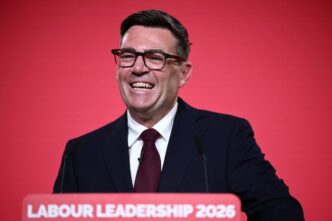
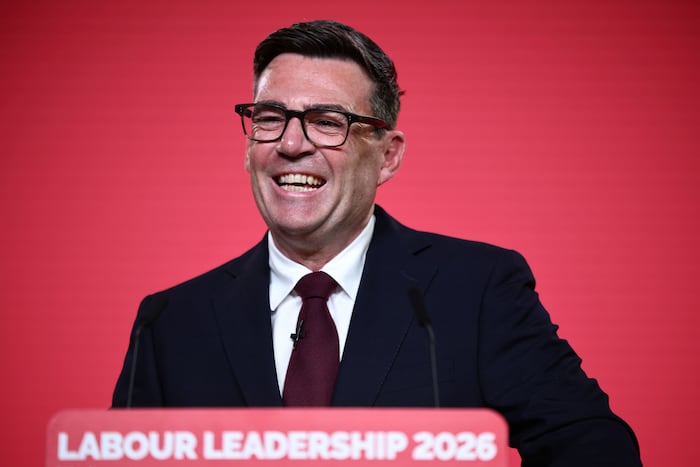
In a historic political transition, Andy Burnham was officially declared the new leader of Britain’s governing Labour Party on July 17, 2026, setting the stage for him to assume the role of prime minister when he enters 10 Downing Street on Monday. The former Mayor of Greater Manchester emerged as the sole candidate in the leadership race, securing an overwhelming majority of support from Labour lawmakers in the House of Commons.
A New Era of Hope for British Politics
Burnham’s ascension to party leadership comes after weeks of political uncertainty following the forced resignation of outgoing Prime Minister Keir Starmer. In his inaugural address as Labour leader, Burnham struck an optimistic tone, pledging to restore faith in British politics and deliver meaningful change to communities that have felt forgotten by Westminster.
“We’re going to give them hope back. I am ready. I have a plan,” Burnham declared to an audience of lawmakers, party activists, and trade union leaders, signaling his determination to chart a new course for the struggling government.
The new leader secured nominations from an impressive 379 of the 403 Labour members of Parliament, making his victory a foregone conclusion. However, despite this overwhelming internal support, Burnham arrives at Number 10 Downing Street relatively unknown to voters outside his Manchester stronghold, presenting both a challenge and an opportunity for the incoming administration.
Key Priorities for the Burnham Government
During his speech on July 17, Burnham outlined several policy priorities that will define his premiership. His vision centers on decentralizing power from London to local communities across Britain, a theme that resonates with his successful tenure as Manchester’s mayor.
- Transferring governmental authority from Westminster to regional and city leaders
- Addressing the chronic underfunding of social care services
- Reversing economic policies implemented during the Thatcher era of the 1980s
- Creating modern industrial jobs through economic renewal initiatives
- Increasing public control over key economic sectors
- Ending factional disputes within the Labour Party
Burnham’s emphasis on decentralization represents a significant departure from traditional British governance, where power has historically been concentrated in London. His promise to give local leaders “more power over life’s essentials” suggests a fundamental restructuring of how government serves citizens across the United Kingdom.
Challenges Awaiting the New Prime Minister
Despite his optimistic rhetoric, Burnham inherits a government facing severe challenges on multiple fronts. Labour’s popularity has plummeted since winning a landslide election victory in 2024, with the party now regularly trailing behind the anti-immigration Reform UK party in opinion polls. The catastrophic local election results in May 2026 ultimately forced Starmer’s resignation and set the stage for Burnham’s rapid rise.
The new prime minister will confront a difficult economic landscape shaped by ongoing international conflicts. The wars in Ukraine and the Middle East continue to fuel a cost-of-living crisis that has squeezed British households for years. Public services remain overstretched, and economic growth has stagnated, creating frustration among voters who expected more from the Labour government.
Burnham directly addressed Britain’s economic struggles, arguing that the country took “a series of wrong turns in the 1980s” under Conservative Prime Minister Margaret Thatcher, when privatization and deindustrialization reshaped the national economy. His promise to reverse four decades of policy decisions represents an ambitious agenda that will face significant opposition.
A Fresh Communication Style
Political observers note that Burnham brings a markedly different leadership style compared to his predecessor. While Starmer was often criticized for appearing stern and distant, Burnham is widely regarded as one of Labour’s most effective communicators, with a more relaxed and approachable demeanor that could help reconnect the party with disillusioned voters.
However, some critics point out that Burnham’s promises of less divisive politics echo similar pledges made by Starmer when he took office in 2024. Whether Burnham can succeed where his predecessor failed remains an open question as Britain prepares for another significant political transition in a period marked by uncertainty and public disillusionment with the political establishment.