The devastating consequences of the ongoing conflict in Iran are reaching far beyond the Middle East, with Nigerian children bearing an increasingly heavy burden as malnutrition rates surge across the country’s northern regions. The war’s disruption of global oil supplies has triggered a cascade of economic hardships that are now threatening the lives of millions of vulnerable youngsters in one of the world’s poorest areas.
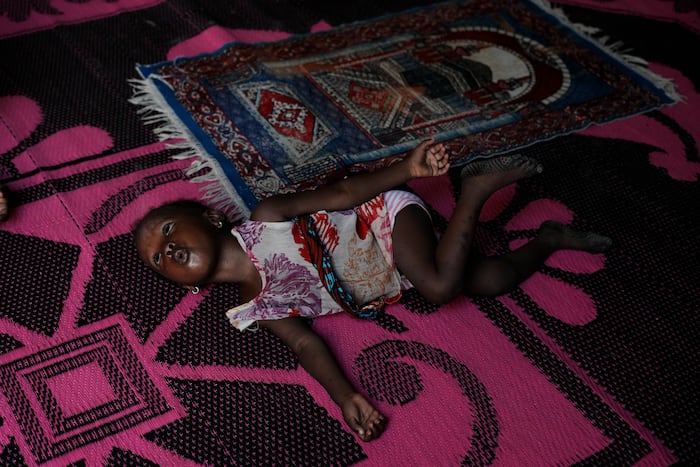
In the quiet town of Kware, located in Nigeria’s Sokoto state, families like that of Maryam Aminu are struggling to survive. Her 18-month-old child was diagnosed with malnutrition for the second time in April 2026, a heartbreaking reality that has become all too common in the region since the Iran conflict began affecting global fuel prices.
Economic Collapse Hits Nigerian Families Hard
The crisis intensified in February 2026 when the closure of the Strait of Hormuz — a critical waterway that previously transported one-fifth of the world’s oil and gas — sent shockwaves through the global economy. In Nigeria, the impact has been particularly severe, with fuel prices more than doubling from 800 naira ($0.58) per liter to 1,400 naira ($1.02) by April.
For families already living on the edge of poverty, this dramatic increase has proven catastrophic. Shehu Aminu, a taxi driver who lost his job due to skyrocketing petrol costs, represents countless Nigerians whose livelihoods have been destroyed by circumstances far beyond their control.
“Children are paying the price for the escalating conflict in the Middle East, including children far beyond the region. The longer this continues, the worse the consequences will be,” stated UNICEF Executive Director Catherine Russell during her visit to Sokoto on July 19, 2026.
UNICEF Warns of Catastrophic Impact on Children
The United Nations children’s agency released alarming projections this week, warning that if the Middle East conflict continues, up to 23.4 million additional children could fall into monetary poverty by the end of 2026. The agency emphasized that at least 80% of these affected children would be located in Africa and Asia.
Health workers in Sokoto have witnessed a disturbing trend of children returning to medical facilities after relapsing into malnutrition. Hospital records reveal that nearly 40 children who had previously been treated for malnutrition since February are now undergoing treatment again, with many more cases going undocumented.
The situation in northern Nigeria is compounded by several factors that have created a perfect storm of humanitarian crisis:
- An ongoing insurgency that has destabilized the region for years
- President Bola Tinubu’s economic reforms, including the removal of fuel subsidies three years ago
- Currency devaluation that has eroded purchasing power
- Rising food prices affecting basic necessities
- Disrupted fertilizer supplies threatening agricultural production
A World Bank technical report released this week painted a grim picture, indicating that 139 million Nigerians are now classified as poor or vulnerable to poverty. This staggering figure represents more than half of the country’s population and highlights the depth of the economic crisis.
Long-Term Consequences for Children’s Development
Beyond the immediate threat of malnutrition, experts warn that the ongoing crisis will have lasting effects on children’s futures. UNICEF’s Russell emphasized that children in impoverished households face increased risks of stunted growth and compromised development.
“They are less likely to stay in school because their parents are under so much financial stress. So the long-term implications for children are absolutely terrible,” Russell explained during her interview with reporters.
Health worker Halimah Muhammad, who serves at a hospital in Sokoto, expressed deep concern about the increasing number of malnourished children she encounters daily. “I am worried and sometimes angry about the increasing numbers we are seeing,” she stated, reflecting the frustration felt by medical professionals on the front lines of this crisis.
The war has also severely impacted fertilizer supplies and prices, threatening the current planting season and further endangering farming communities across northern Nigeria. These agricultural communities, already struggling to access their farmlands due to ongoing security conflicts, now face even greater challenges in producing food for their families.
As U.S. President Donald Trump continues efforts to pressure Iran into reopening the Strait of Hormuz through various means including airstrikes, naval blockades, negotiations, and threats, the children of Nigeria continue to suffer the consequences of a conflict fought thousands of miles away from their homes.