A devastating wave of Ukrainian drone strikes swept across multiple Russian regions overnight on July 18, 2026, leaving eight people dead and more than 60 wounded in what represents one of the most significant aerial attacks deep into Russian territory since the conflict began over five years ago.
The coordinated assault targeted critical infrastructure, including two massive warehouses belonging to Wildberries, Russia’s largest online retailer, as well as oil facilities and military assets. The attacks stretched from the Tambov region, approximately 220 miles from the Ukrainian border, all the way to facilities just 30 miles east of Moscow, demonstrating Ukraine’s expanding reach into Russian heartland.
Warehouse Attacks Cause Major Casualties
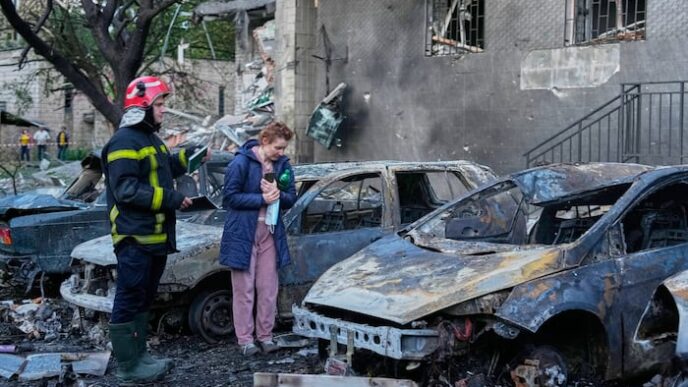
The deadliest strike occurred at a Wildberries warehouse in the town of Kotovsk in the Tambov region. Seven night shift workers lost their lives in the attack, while 25 others sustained injuries, according to regional governor Yevgeny Pervyshov. The facility caught fire following the drone impact, though Wildberries founder Tatyana Kim confirmed later on the morning of July 18 that firefighters had successfully extinguished the blaze.
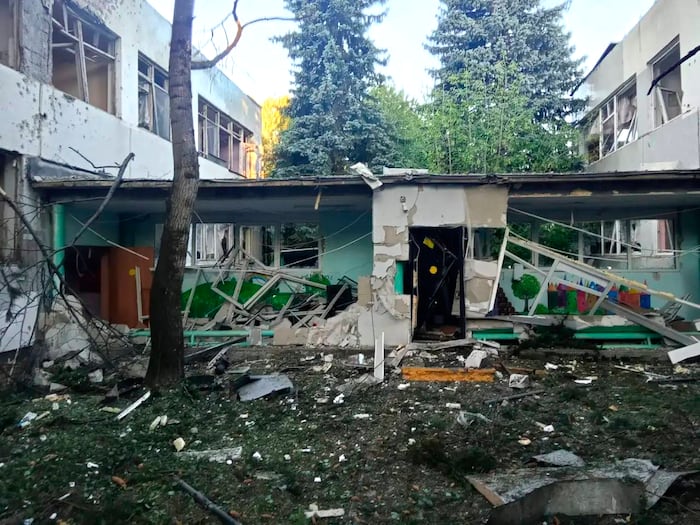
A second Wildberries warehouse in Elektrostal, located approximately 30 miles east of Moscow, was also struck by Ukrainian drones. Russian media outlets released dramatic footage showing intense flames engulfing the facility, with massive columns of black smoke rising high into the sky. Debris from the attack additionally struck a kindergarten building in the area, sparking a fire that emergency responders later brought under control.
“These facilities were used by the aggressor to supply sanctioned components for the production of drones and navigation equipment,” Ukrainian President Volodymyr Zelenskyy stated in a Telegram post, explaining the strategic rationale behind targeting the logistics centers.
Oil Infrastructure and Military Targets Under Attack
Beyond the warehouse strikes, Ukrainian forces also targeted energy infrastructure critical to Russia’s military operations. A drone attack on an oil depot in Noginsk, situated just north of Elektrostal, ignited a significant fire that prompted emergency evacuations of a nearby maternity hospital and residential building, according to Moscow region governor Andrei Vorobyov.
The Moscow region reported 37 people wounded in the overnight attacks, with one of those victims later succumbing to their injuries at a hospital. In the city of Vladimir, located over 110 miles east of Moscow, another Ukrainian drone struck a residential building, causing a brief fire. Regional governor Alexander Avdeyev confirmed there were no casualties from that particular incident.
Ukraine’s military campaign extended beyond land-based targets. According to statements from Ukrainian officials and the General Staff, special operations forces conducted strikes against targets in the Sea of Azov and occupied territories. The military claimed successful hits on:
- A fuel depot in Noginsk that reportedly supplies the Russian armed forces
- Two tankers used for transporting oil and fuel
- Two floating cranes and a tugboat in the Black and Azov seas
- A Project 10410 Svetlyak patrol ship in Kerch, marking the second vessel of that class hit in consecutive days
- A railway bridge over the Bila River near Sabivka in occupied Luhansk, allegedly used for Russian military logistics
Russia Claims Massive Drone Interception Effort
The Russian Defense Ministry reported that its air defense systems intercepted 379 Ukrainian drones overnight across 19 Russian regions, as well as over illegally annexed Crimea, the Sea of Azov, and the Black Sea. Despite these interception claims, the significant casualties and infrastructure damage indicate that numerous drones successfully reached their intended targets.
The attacks represent a continuation of Kyiv’s strategic aerial campaign aimed at undermining Moscow’s war capabilities and bringing the consequences of the Kremlin’s invasion directly to Russian citizens. As the conflict extends well into its fifth year, Ukraine has increasingly demonstrated its ability to strike targets far from the front lines, creating pressure on Russian leadership and disrupting supply chains essential to the ongoing military operations.
For the Latin community in Miami with connections to Eastern Europe, these developments highlight the continuing escalation of a conflict that shows no signs of resolution. The humanitarian impact continues to mount on both sides, with civilian infrastructure increasingly caught in the crossfire of this prolonged war.