As El Niño continues to strengthen across the Pacific Ocean, governments throughout Latin America are scrambling to prepare for what could be one of the most challenging climate events in recent years. On July 17, 2026, authorities across the region confirmed they are mobilizing firefighters, activating emergency contingency plans, and reinforcing critical infrastructure including water, energy, and transportation systems.
The climate phenomenon, which develops gradually over several months unlike sudden disasters such as hurricanes or earthquakes, has already begun affecting weather patterns from Central America to the southern tip of South America. Meteorologists warn that conditions are increasingly likely to intensify through the remainder of 2026, giving governments a narrow window to implement protective measures.
World Meteorological Organization Issues Urgent Call to Action
The World Meteorological Organization has confirmed that El Niño is no longer a possibility but a present reality affecting the Americas. Officials are urging political leaders to move beyond planning and into immediate action to protect vulnerable populations.
“Now is the time for decisions, for effective preparedness and the political consistency to really be proactive this time. El Niño is confirmed. El Niño is ongoing. It’s not simply a possibility.”
— Rodney Martinez, WMO Representative for North America, Central America and the Caribbean
Martinez emphasized that countries must use the coming months wisely to secure alternative energy sources, protect communities at highest risk, and prepare public services for potentially overwhelming demand. His warning comes against a backdrop of previous El Niño events that have caused billions of dollars in economic damage across the region.
Regional Threats Vary Dramatically by Location
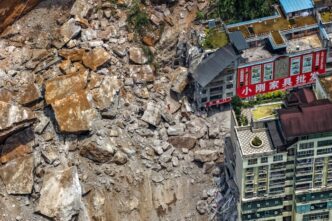
The impacts of El Niño are far from uniform across Latin America. While some nations face severe drought conditions, others must prepare for catastrophic flooding and landslides. This dual nature of the phenomenon requires tailored responses from each country’s emergency management agencies.
Countries already experiencing drier-than-normal conditions include:
- Central American nations along the Pacific coast
- Parts of the Caribbean basin
- Northern regions of South America
- Portions of the Amazon basin where drought conditions are expected to expand
These dry conditions raise serious concerns about agricultural production, drinking water availability, and the heightened risk of devastating wildfires that could threaten both rural and urban communities.
Brazil Leads Massive Firefighting Mobilization
Brazil has taken dramatic steps to prepare for what officials fear could be a catastrophic fire season. The government has hired more than 4,600 federal personnel specifically dedicated to wildfire prevention and response operations. Additionally, firefighting brigades have been expanded significantly, and aircraft have been deployed to strategic locations across the country in anticipation of increased fire activity.
Colombia has similarly activated comprehensive water-monitoring systems and strengthened its wildfire preparedness protocols. Local authorities throughout the country have been instructed to prepare for potential water shortages that could affect both urban populations and agricultural operations.
Ecuador and Peru Brace for Flooding
On the opposite end of the spectrum, Ecuador is preparing for potentially devastating floods along its Pacific coast, where strong El Niño events have historically brought torrential rains and widespread destruction. The government has taken several critical steps:
- Ordered all local governments to develop detailed contingency plans
- Allocated millions of dollars for flood mitigation projects
- Funded emergency response capabilities and agricultural recovery programs
- Begun clearing drainage channels and stabilizing hillsides
- Established and prepared emergency shelters for displaced residents
Peru has strengthened its meteorological observation networks and expanded early-warning systems to provide communities with crucial advance notice of dangerous weather conditions.
Energy Security Emerges as Critical Concern
For countries heavily dependent on hydroelectric power, El Niño poses a serious threat to energy security. Ecuador serves as a cautionary tale, having experienced widespread power outages in 2025 when drought conditions depleted water levels at hydroelectric facilities throughout the country.
Experts recommend that hydropower-dependent nations bring thermal power generation online to offset potentially lower reservoir levels and complete all necessary maintenance and procurement work well before peak impact periods arrive.
Costa Rica has launched more than 200 measures under its national contingency plan, including ambitious efforts to protect water supplies, expand renewable energy generation capacity, and prepare for what could be a severe wildfire season.
Panama Canal Operations Under Watch
Panamanian authorities have developed specialized plans to address potential impacts on operations at the Panama Canal, one of the world’s most critical shipping arteries. Previous drought conditions have forced restrictions on vessel traffic through the canal, affecting global trade patterns and shipping costs.
As Latin America watches El Niño’s progression with growing concern, the coming months will reveal whether the region’s preparations prove sufficient to protect millions of residents from the climate phenomenon’s most severe impacts.