Miami’s historically Black communities are facing an unprecedented crisis as rising sea levels and skyrocketing housing costs converge to force longtime residents from their homes, fundamentally altering the cultural landscape of South Florida.
Climate Change Drives Gentrification
The phenomenon, known as climate gentrification, is reshaping Miami’s demographics in ways that disproportionately affect Black residents. As coastal areas become increasingly vulnerable to flooding and storm surge, developers and wealthier residents are moving inland to higher ground—areas that have traditionally housed Miami’s Black communities.
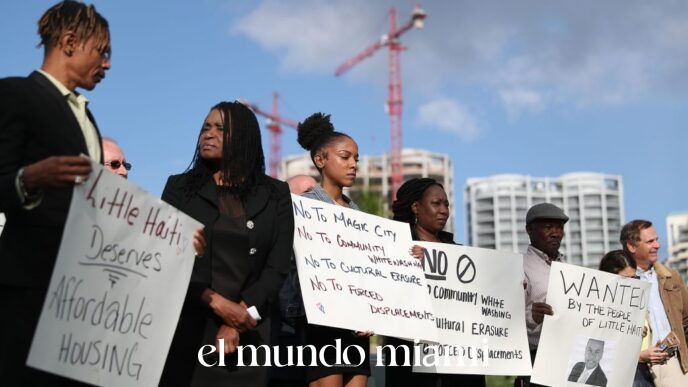
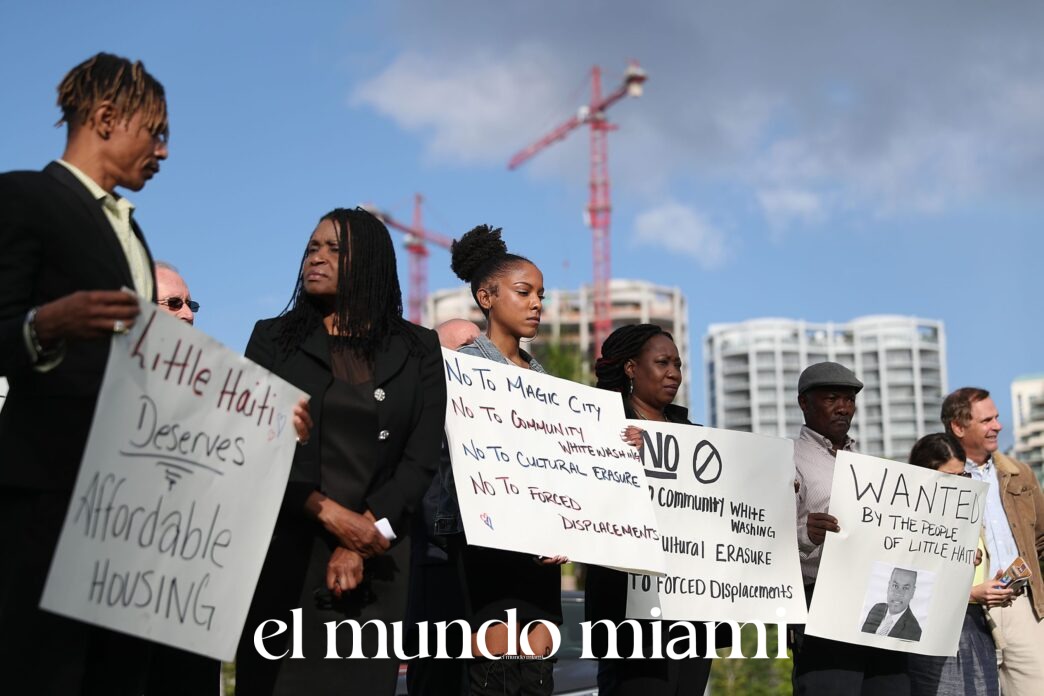
Neighborhoods such as Liberty City, Overtown, and Little Haiti, built on Miami’s highest elevations, are now prime real estate targets. These historically underserved communities are experiencing dramatic rent increases and property value surges that make it impossible for long-term residents to remain.
The Economics of Displacement
Housing costs in these neighborhoods have tripled in recent years, pushing out families who have lived in these areas for generations. The rental market has become particularly brutal, with landlords capitalizing on increased demand from those fleeing flood-prone zones.
The displacement is not merely about housing—it represents the erosion of cultural heritage, community networks, and generational wealth building opportunities for Black Miami residents. Churches, businesses, and social institutions that have served these communities for decades are closing as their congregations and customer bases scatter.
Geographic Inequality
Miami’s geography creates a unique vulnerability. The city’s topography means that areas with higher elevation, historically home to Black communities due to racist housing policies that relegated them to less desirable inland locations, are now becoming the most sought-after real estate as climate risks intensify.
This ironic twist of fate has turned what was once a disadvantage into a displacement driver, as the very land that was deemed undesirable during the era of segregation now offers protection from rising seas.
Community Response
Local activists and community organizations are fighting to preserve these neighborhoods and protect residents from displacement. Efforts include advocating for stronger tenant protections, affordable housing development, and community land trusts that would keep properties in local hands.
However, these efforts face significant challenges as market forces and climate realities create powerful economic incentives for development and displacement. The pace of change often outstrips the ability of policy and community organizing to respond effectively.
Looking Forward
The situation in Miami serves as a warning for coastal cities nationwide. As climate change accelerates and sea levels continue rising, the intersection of environmental and social justice becomes increasingly critical.
Without deliberate intervention and policy changes that prioritize equity and community preservation, Miami’s Black neighborhoods risk disappearing entirely, taking with them irreplaceable cultural heritage and displacing communities that have deep roots in the city.
The crisis demands comprehensive solutions that address both climate adaptation and housing affordability while protecting the rights of longtime residents to remain in their communities. The outcome will shape not only Miami’s future but also set precedents for how American cities handle the human costs of climate change.