Miami’s historically Black neighborhoods are facing an unprecedented crisis as rising sea levels and skyrocketing rental costs converge to displace long-standing communities. The phenomenon, often referred to as “climate gentrification,” is reshaping the demographic landscape of South Florida’s largest city.
The Dual Threat: Climate and Economics
As coastal areas become increasingly vulnerable to flooding and sea level rise, developers and affluent residents are turning their attention to Miami’s inland neighborhoods. These areas, many of which have been home to Black communities for generations, sit on higher ground and are less susceptible to flooding—making them suddenly attractive to investors seeking climate-resilient properties.
The displacement is compounded by a dramatic increase in housing costs. Rental prices in historically Black neighborhoods have tripled in some areas, pricing out residents who have called these communities home for decades. The combination of environmental pressures and economic forces has created a perfect storm of displacement.
Historic Communities Under Pressure
Neighborhoods that have long served as cultural and economic centers for Miami’s Black population are experiencing rapid demographic shifts. As property values increase, longtime residents find themselves unable to afford the rising costs of living in areas their families have inhabited for generations.
The pattern represents a troubling intersection of environmental justice and housing inequality. While wealthier, predominantly white coastal communities have the resources to invest in flood mitigation and adaptation measures, residents of historically marginalized neighborhoods often lack the financial means to remain in place as their areas become more desirable.
The Climate Gentrification Factor
Climate gentrification describes the process by which climate change impacts drive real estate investment patterns that displace vulnerable populations. In Miami, this phenomenon is particularly acute. As waterfront properties become riskier investments due to flooding and storm surge concerns, capital flows to higher elevation neighborhoods.
This shift has profound implications for community cohesion and cultural preservation. Black churches, small businesses, and community institutions that have anchored neighborhoods for decades face closure as congregants and customers are forced to relocate to more affordable areas farther from the urban core.
Looking Ahead
The displacement of Miami’s Black neighborhoods raises critical questions about equitable climate adaptation and urban planning. As sea levels continue to rise and extreme weather events become more frequent, the pressure on inland communities will only intensify.
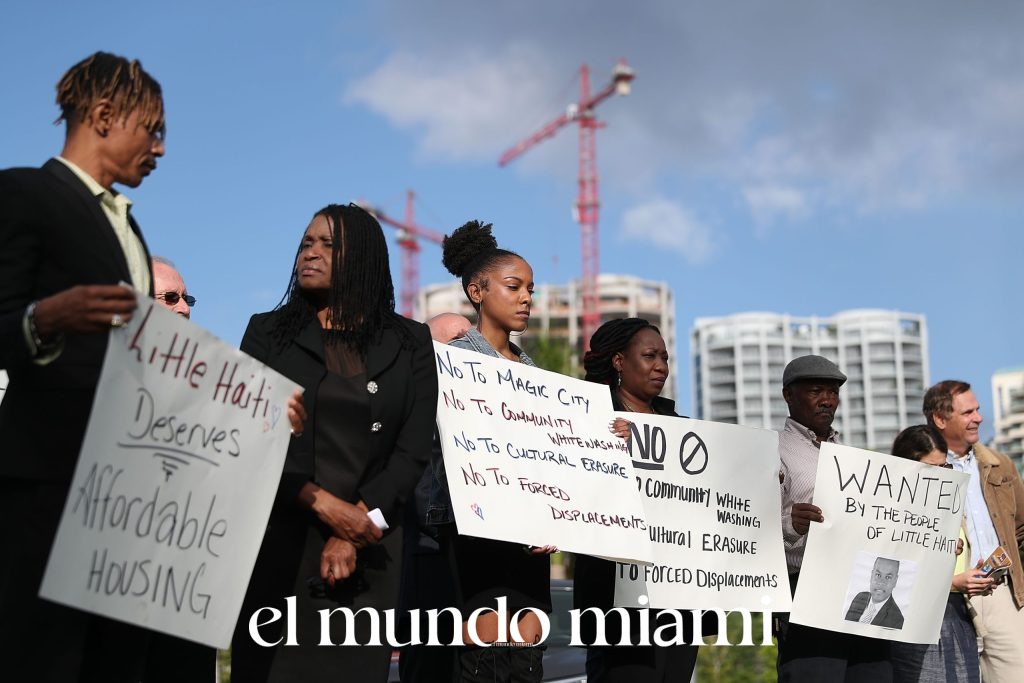
Urban planners, housing advocates, and community leaders are calling for policies that protect longtime residents from displacement while addressing the very real threats posed by climate change. Proposed solutions include rent stabilization measures, affordable housing requirements in new developments, and community land trusts that can preserve housing affordability.
The situation in Miami serves as a cautionary tale for coastal cities worldwide. As climate change reshapes urban geography, ensuring that adaptation strategies do not compound existing inequalities remains one of the most pressing challenges of our time. Without intentional intervention, the communities that have contributed least to climate change may bear its heaviest burdens.