
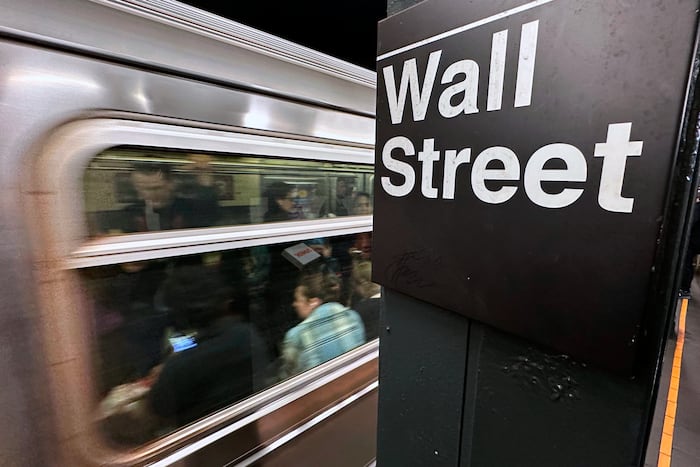
For Miami’s savvy investors and business-minded community, the latest Wall Street movements on July 28, 2026, painted a complex picture that deserves attention. While the broader market showed resilience, the technology sector—particularly chip stocks—experienced significant turbulence that rippled across global markets and caught the attention of financial watchers everywhere.
Understanding the Market Dynamics on July 28
The trading session revealed a tale of two markets. The Dow Jones Industrial Average climbed an impressive 385 points, representing a 0.7% gain as of mid-morning Eastern time. Meanwhile, the S&P 500 remained virtually unchanged, masking dramatic movements beneath its surface. The Nasdaq composite, heavily weighted with technology companies, dropped 0.6% as investors reassessed their positions in artificial intelligence-related stocks.
This divergence highlights an important lesson for Miami investors: diversification remains crucial. While tech stocks that drove massive gains throughout the year faced correction pressures, traditional consumer and industrial companies demonstrated remarkable strength. Understanding these market dynamics can help local investors make informed decisions about their portfolios.
Strong Earnings Paint a Bright Picture for Traditional Sectors
Several major corporations delivered earnings reports that exceeded analyst expectations, providing a counterbalance to the tech sector weakness. The results demonstrate that despite economic uncertainties, American businesses continue finding ways to grow and prosper.
- Coca-Cola surged 5.8% after reporting a 7% revenue increase, showing consumer demand remains robust
- Sherwin-Williams rallied an impressive 7%, reflecting strength in the housing and renovation markets
- Illinois Tool Works gained 3.7% on better-than-expected quarterly profits
“We saw a dynamic consumer landscape,” noted Coca-Cola CEO Henrique Braun, highlighting the company’s ability to adapt and thrive despite changing market conditions.
These results should particularly interest Miami’s business community, where consumer-facing industries and real estate-related sectors play significant roles in the local economy. The strong performance of paint and coatings company Sherwin-Williams may signal continued momentum in South Florida’s vibrant construction and home improvement markets.
The Chip Stock Sell-Off: What Miami Investors Need to Know
The technology sector experienced its most significant correction in months, with chip stocks bearing the brunt of investor concerns. Micron Technology, despite having more than tripled in value during 2026 and reporting revenue that quadrupled year-over-year, fell 8.4% in a single session. Advanced Micro Devices dropped 7.7%, while industry giant Nvidia declined 1.1%.
The sell-off extended far beyond American shores. South Korea’s Kospi index plummeted 10.8%, with losses so severe that trading was temporarily halted in Seoul. SK Hynix and Samsung Electronics led the decline, reflecting global concerns about the artificial intelligence boom’s sustainability.
Expert Analysis on the Tech Correction
Market analysts offered perspective on the dramatic movements. Concerns about China’s advancing chipmaking capabilities sparked worries about the competitive position of established industry leaders.
“We believe the market was likely spooked by the progress of China’s chipmaking equipment capabilities,” explained Jing Jie Yu, equity analyst at Morningstar. “That said, we believe the sell-off is largely a knee-jerk reaction and overdone.”
For Miami investors who have benefited from the artificial intelligence boom, this presents both a cautionary tale and a potential opportunity. The analyst noted that dominant positions held by global chipmaking leaders are unlikely to face meaningful threats, suggesting the correction may present buying opportunities for long-term investors.
Energy Markets and Economic Indicators
Beyond equities, other market indicators provided mixed signals for the economy. Oil prices continued retreating from recent highs, with Brent crude falling 2.2% to $83.97 per barrel. This represents a significant pullback from the previous week when prices briefly touched $102 on concerns about Middle East conflicts potentially disrupting global crude supplies.
Lower oil prices typically benefit consumers and businesses alike, potentially reducing fuel costs and easing inflationary pressures. For Miami’s transportation-dependent economy, including its bustling ports and airport operations, stable energy prices support continued growth and prosperity.
Treasury yields also eased slightly, with the 10-year Treasury yield falling to 4.62% from 4.65%. This modest decline reflects investors seeking safer assets amid stock market volatility, though yields remain elevated by historical standards.
Strategic Takeaways for Miami’s Investment Community
The July 28 market session offers several important lessons for local investors navigating today’s complex financial landscape:
- Diversification across sectors protects portfolios from concentrated losses in any single industry
- Strong corporate earnings in traditional sectors indicate underlying economic resilience
- Technology corrections, while painful, may create opportunities for patient long-term investors
- Global market interconnections mean events in Asia can significantly impact American portfolios
- Monitoring energy prices helps anticipate broader economic trends affecting South Florida
As Miami continues establishing itself as a major financial hub attracting investors and entrepreneurs from across Latin America and beyond, understanding these market dynamics becomes increasingly important. Whether you are managing personal investments or building a business, staying informed about Wall Street movements helps make strategic decisions that support long-term financial success in our vibrant South Florida community.