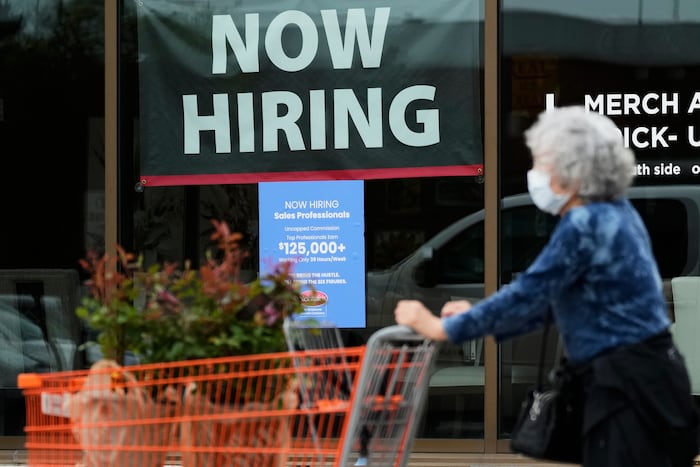
The US jobs July 2026 report delivered unexpected news on August 7, 2026, as employers cut 23,000 positions instead of adding the anticipated 98,000 jobs. For Miami’s vibrant Latin community, this labor market shift signals important changes in how job seekers should approach their career strategies in the coming months.
The Labor Department released figures showing the unemployment rate fell to 4.1%, marking the lowest level since June 2025. However, economists warn this seemingly positive number masks a concerning trend that affects workers across South Florida and beyond.
What Happened in the July Labor Market
The July employment numbers marked a sharp setback for the American labor market. While forecasters expected job creation to approach 100,000 positions, the reality proved dramatically different. Both nonfarm payroll employment and the unemployment rate changed little, according to the U.S. Bureau of Labor Statistics.
Employment declined significantly in local government education and retail trade sectors. Local public schools cut 50,000 jobs in July alone. Restaurants and bars eliminated 26,000 positions, while retailers reduced their workforce by 19,000 jobs.
The situation worsened when Labor Department revisions slashed 103,000 jobs from May and June payrolls. This retroactive adjustment painted an even bleaker picture of the employment landscape heading into the second half of 2026.
The Unemployment Rate’s Hidden Reality
The 4.1% unemployment rate might appear encouraging at first glance, but the underlying data tells a different story. The rate only fell because 264,000 people dropped out of the labor market entirely last month.
When workers stop looking for jobs, they no longer count as unemployed in official statistics. The share of Americans working or actively seeking employment fell to 61.4%, the lowest participation rate since February 2021.
“We can’t really put lipstick on a pig here. This is not a great report for July.” — Daniel Zhao, chief economist at Glassdoor
Economists have used the term “no hire, no fire” to describe these unusual job market conditions. Companies appear reluctant to expand their workforces, yet they’re also holding onto existing employees rather than implementing widespread layoffs.
Sectors Growing Despite the Downturn
Not all industries experienced losses in the US jobs July 2026 report. Health care continued its upward trend, maintaining steady employment growth. Construction companies added 22,000 positions, while factories increased their payrolls by 5,000 jobs.
For Miami residents exploring career opportunities, these growth sectors offer potential pathways. The healthcare industry, in particular, remains a reliable source of employment across South Florida’s medical centers and clinics.
Manufacturing employment gains reflect ongoing efforts to strengthen American industrial capacity. White House spokesman Kush Desai noted that manufacturing and factory construction jobs grew again in July even as government payrolls continued to shrink significantly.
Wage Growth and Cost of Living Challenges
July wage gains proved modest for American workers. Average hourly pay increased just 3.2% compared to July 2025, representing the smallest year-over-year increase since May 2021.
These smaller wage gains arrive at a particularly difficult time. American families continue feeling squeezed by the high cost of living that has persisted throughout recent years. In Miami, where housing costs and daily expenses often exceed national averages, this wage stagnation hits especially hard.
The combination of limited job creation and modest pay increases creates a challenging environment for workers seeking financial stability. Young professionals and those currently unemployed face the steepest obstacles in this competitive landscape.
Federal Reserve Decision Impact
The disappointing US jobs July 2026 figures complicate decision-making for policymakers at the Federal Reserve. Officials have been divided over whether to raise interest rates to combat inflation that has exceeded their 2% target for more than five years.
The Fed kept rates unchanged at its meeting last week, though three officials dissented from that decision in favor of a rate hike. Wall Street traders had been expecting rate increases later this year, but the weak employment report may delay those plans.
“The Fed has to consider the health of the job market as they debate whether a hike is justified. The softness in today’s report is going to have to give the Fed a little bit of pause.” — Daniel Zhao, Glassdoor
Interest rate decisions directly affect Miami’s housing market, business lending, and consumer credit costs. Any changes ripple through the local economy, influencing everything from mortgage rates to small business expansion plans.
Women in the Workforce: July Trends
Women lost 32,000 jobs last month, accounting for all the job losses recorded in July according to Labor Department data. This represented a reversal after months of steady gains in female employment.
Despite the July setback, women still gained 321,000 jobs over the past 12 months. Men, by contrast, lost 5,000 positions during that same period. These figures highlight the uneven recovery patterns affecting different demographic groups.
For Miami’s working women, understanding these trends helps inform career planning and expectations. Industries with stronger female representation may offer more stability during uncertain economic periods.
Outlook for Young and Unemployed Workers
Heather Long, chief economist at Navy Federal Credit Union, characterized the report starkly in her assessment of the US jobs July 2026 data.
“This is a bleak jobs report. The U.S. labor market is stalling again and that is going to make the Federal Reserve’s job harder and life for job seekers rough.”
Young workers entering the job market face particular challenges in this environment. Entry-level positions remain competitive, and companies appear hesitant to invest in training new employees when economic uncertainty persists.
Unemployed individuals seeking to return to work encounter similar obstacles. The “no hire, no fire” mentality means fewer openings even as existing employees maintain their positions. Networking and skill development become increasingly important strategies for job seekers.
Strategies for Miami’s Latin Community
Miami’s Latin community can navigate these challenging conditions through targeted approaches. Focusing on growth industries like healthcare and construction increases the odds of finding stable employment.
Professional development remains crucial during periods of limited hiring. Building skills in high-demand areas positions workers favorably when companies eventually resume expansion. Local community colleges and training programs offer accessible pathways to enhance qualifications.
Networking within Miami’s strong Latin business community provides advantages that job boards cannot replicate. Personal connections often lead to opportunities that never appear in public listings, making community engagement valuable.
Looking Ahead: Economic Recovery Prospects
Economists noted that private payrolls continued growing in July despite the overall negative report. Some analysts suggest the significant drop in public school payrolls might represent a statistical glitch caused by seasonal adjustments rather than genuine job destruction.
The labor market had been rebounding throughout 2026 from a lackluster 2025. While July’s numbers disrupted that recovery trajectory, the underlying economic fundamentals may prove more resilient than a single month’s data suggests.
For Miami residents monitoring the US jobs July 2026 situation, staying informed about monthly employment reports helps anticipate changes in the local job market. Economic conditions affecting the nation eventually influence opportunities throughout South Florida.
The coming months will reveal whether July represents a temporary stumble or the beginning of a more sustained slowdown. Either way, prepared workers who understand market conditions maintain the best chances of achieving their career goals in this evolving economic landscape.