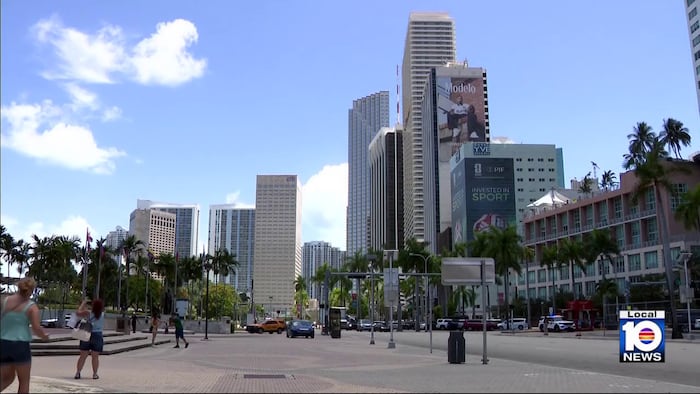
In a historic shift that would have seemed unthinkable just a few years ago, living in Miami has officially become more expensive than residing in New York City. According to a comprehensive analysis released on July 21, 2026, by Bloomberg, South Florida’s consumer price index has surged an astonishing 36% since 2019, pushing the region past the Big Apple in terms of overall cost of living for the first time on record.
The Great Migration Meets Economic Reality
For generations, New Yorkers have made the journey south to Florida seeking relief from harsh winters, cramped apartments, and the notoriously high cost of living in the Northeast. The Sunshine State’s promise of spacious homes, year-round warm weather, and the significant advantage of no state income tax made it an attractive destination for those looking to stretch their dollars further. However, that economic equation has fundamentally changed.
The influx of wealthy residents from New York and other expensive metropolitan areas has contributed to a dramatic increase in prices across virtually every sector of the Miami economy. What was once considered an affordable alternative to life in Manhattan or Brooklyn has transformed into one of the most expensive places to live in the entire United States.
“Cost of living is going up everywhere and the New Yorkers are coming down here, so I guess it is what it is,” said South Florida resident Robert Nordling, reflecting the resignation many longtime locals feel about the changing economic landscape.
Where Prices Have Increased the Most
The Bloomberg report highlights several specific areas where Miami’s costs have outpaced even New York City’s famously high prices. The data reveals concerning trends across multiple sectors of daily life:
- Private school tuition has risen significantly compared to the previous year
- Insurance costs, including home and auto coverage, have reached unprecedented levels
- Restaurant spending has increased substantially as dining establishments raise prices
- Housing costs continue to climb despite some cooling in certain markets
- Everyday essentials from groceries to gasoline remain volatile and expensive
The insurance situation in particular has become a major burden for Florida residents. The state’s vulnerability to hurricanes and flooding has led insurers to dramatically increase premiums or withdraw from the market entirely, leaving homeowners with fewer options and higher costs than their counterparts in other states.
Local Residents React to the News
The revelation that Miami has surpassed New York in cost of living has sparked mixed reactions among South Florida residents. While some express frustration at the rapidly changing economic conditions, others seem to accept it as an inevitable consequence of the region’s popularity and desirability.
Miami resident Mario Torres offered a pessimistic outlook on the future trajectory of prices in the region. “And it’s only gonna keep climbing from here,” Torres predicted, echoing concerns shared by many working-class and middle-class families who are finding it increasingly difficult to make ends meet in the Magic City.
The daily experience of rising costs has become impossible to ignore for most residents. From the price of a simple sandwich at a local deli to filling up the gas tank, South Floridians are feeling the pinch in virtually every aspect of their financial lives. The volatility of these prices adds another layer of stress, as costs can fluctuate significantly from one day to the next.
Will the Trend Reverse Migration Patterns?
One of the most intriguing questions raised by this new economic reality is whether it will affect migration patterns between the two cities. For years, the flow of residents has been predominantly southward, with New Yorkers trading their city apartments for Florida homes. But now that the cost advantage has disappeared, will some reconsider their options?
Despite the higher costs, many believe Miami’s appeal remains strong. The combination of weather, lifestyle, tax advantages, and cultural vibrancy continues to attract newcomers even as prices climb. Robert Nordling summed up this sentiment when he noted that there will always be an appeal to living in Miami.
“New York and Miami. I guess they’re dancing together now,” Nordling observed, suggesting that the two cities have reached a kind of economic parity that puts them in the same category of elite, expensive American metropolitan areas.
What This Means for Miami’s Future
The implications of Miami becoming more expensive than New York City extend far beyond simple comparisons. For the local workforce, particularly those in service industries, healthcare, education, and other essential sectors, the rising cost of living presents serious challenges. Many workers are being priced out of the communities they serve, forced to commute from increasingly distant suburbs or consider relocating entirely.
Local businesses also face difficult decisions as they balance the need to pay competitive wages with the pressure to keep prices reasonable for customers who are already stretched thin. The economic ecosystem of South Florida is being reshaped by these forces in ways that will likely define the region for decades to come.
For prospective residents considering a move to Miami, the message is clear: the days of South Florida as a budget-friendly alternative to expensive Northern cities are over. Those making the journey south should do so for reasons beyond cost savings, as the financial advantage that once existed has evaporated in the face of relentless price increases across the region.