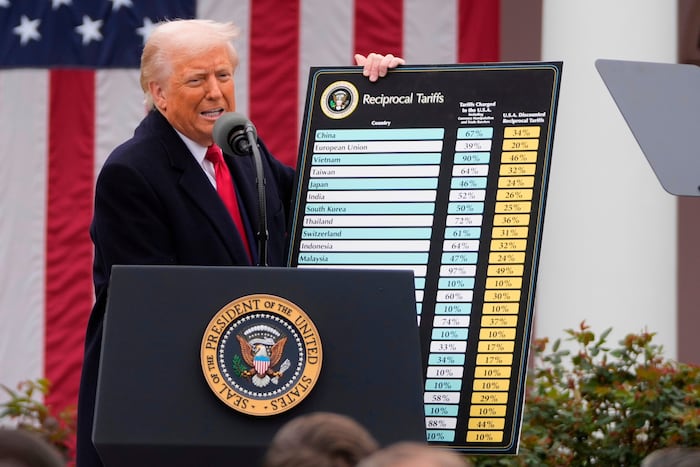
The Trump administration’s latest round of tariff increases has ignited a firestorm of international criticism, with major trading partners across the globe expressing outrage over what they describe as baseless accusations linking their exports to forced labor practices. The new duties, which went into effect on July 24, 2026, target 60 economies with additional levies ranging from 10% to 12.5%.
Australia Leads the Charge Against ‘Unjustified’ Tariffs
Australian Trade Minister Don Farrell emerged as one of the most vocal critics of the new trade measures, categorically rejecting any suggestion that his country’s exports are connected to modern slavery. Australia, a significant supplier of beef, gold, and copper to American markets, now faces a 12.5% tariff rate, up from the 10% imposed following the so-called ‘Liberation Day’ tariff increases in 2025.
“We believe that amongst all of the countries in the world Australia does take the issue of slavery, modern slavery, seriously, and will continue to do that. These tariffs are completely unjustified and we will continue to lobby the United States Trade Representative to remove all tariffs on Australian goods.”
The Australian government has pledged to pursue diplomatic channels aggressively to reverse what it considers an unfair trade penalty based on unsubstantiated claims. The move represents a significant escalation in trade tensions between Washington and one of its closest Pacific allies.
Asian and European Partners Express Deep Concern
New Zealand Prime Minister Christopher Luxon characterized the tariffs affecting his country as “extremely disappointing” and harmful to bilateral trade relations. In a pointed statement posted on X, Luxon emphasized that the United States investigation underlying these tariffs failed to provide meaningful evidence supporting the forced labor allegations.
Japan lodged a formal protest against the 12.5% tariff imposed on its exports, with Chief Cabinet Secretary Minoru Kihara expressing regret over what Tokyo views as a violation of previous understandings. Japanese officials indicated they had received assurances from the Trump administration that no additional tariffs would be implemented beyond an earlier agreement establishing a 10% baseline duty.
The European Union’s foreign policy chief, Kaja Kallas, questioned the legitimacy of American claims regarding labor standards, noting that European workers enjoy protections including paid vacations and robust labor conditions that often exceed those available to American workers.
Key Countries Affected by New Tariffs
- Australia: 12.5% tariff on beef, gold, copper, and other exports
- Japan: 12.5% tariff despite previous agreements limiting duties to 10%
- New Zealand: 12.5% tariff on agricultural and manufactured goods
- Singapore: 12.5% tariff with ongoing negotiations with USTR
- South Korea: Combined duties expected not to exceed 15%
- Thailand: 12.5% tariff with exemptions for over 2,120 product categories
- China: 12.5% additional tariffs on top of existing duties
Singapore’s Ministry of Trade and Industry announced it would continue engaging with American trade officials to explore alternatives while reiterating its firm stance against forced labor practices. Thailand noted that while subject to the new tariffs, more than half the value of its exports to the United States falls under exempted categories.
China Maintains Opposition to Unilateral Trade Actions
Beijing responded to the new tariffs with a familiar refrain, stating through its Ministry of Foreign Affairs that China “opposes all forms of unilateral tariffs.” This position reflects China’s longstanding criticism of American trade policy under both the current and previous administrations.
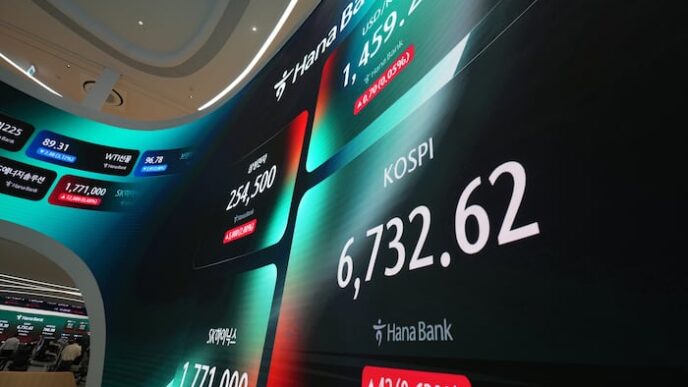
South Korea’s trade ministry expressed cautious optimism that the announcement provides some clarity regarding American trade policy direction, though concerns remain about an ongoing Section 301 investigation into alleged excess production capacity in Korean industries.
The timing of these tariffs is particularly significant, as they took effect precisely as temporary levies imposed following a Supreme Court ruling against the administration expired. This strategic timing suggests the White House had prepared the forced labor justification as an alternative legal framework for maintaining elevated tariff levels.
For Miami’s business community, which maintains extensive trade relationships throughout Asia and the Pacific region, these developments signal continued uncertainty in international commerce. Importers and exporters should anticipate potential supply chain disruptions and pricing adjustments as affected countries weigh their response options, including possible retaliatory measures against American exports.