The Guatemala Fuego volcano erupted on August 4, 2026, forcing authorities to order emergency evacuations in surrounding communities as explosive activity intensified throughout the day. For Miami’s Guatemalan community, this developing situation has sparked concern for family members and loved ones in the affected region.
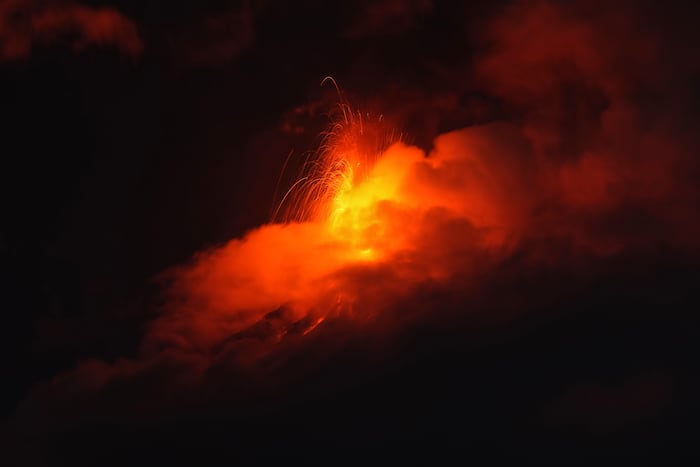
The Guatemala Fuego volcano eruption began during morning hours and escalated dramatically, prompting the national disaster management agency CONRED to issue evacuation orders for two villages near the mountain. Executive Secretary Claudinne Ogaldes confirmed the emergency measures to international press outlets as live footage captured massive clouds of gas and ash billowing over the volcanic crater.
What We Know About the Fuego Volcano Emergency
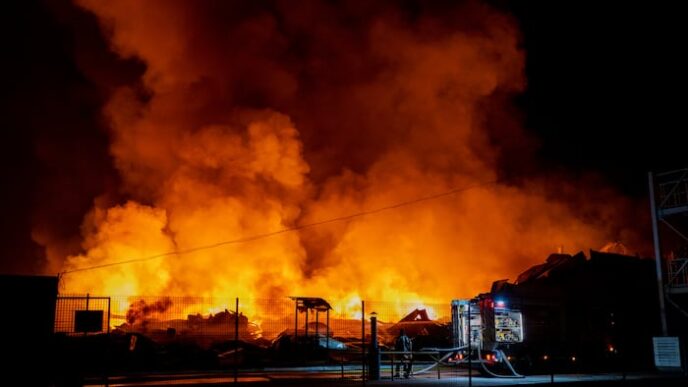
The eruption has produced spectacular and dangerous lava fountains reaching between 650 to 1,000 feet above the crater, according to reports from the Guatemalan Seismology, Vulcanology, Weather and Water Institute. Pyroclastic flows and lava streams have been observed rolling down the slopes at high speeds, creating an immediate threat to nearby communities.
“The eruption increases its explosiveness level. A fountain of lava of between 200 and 300 meters has developed over the crater.”
Authorities have implemented several emergency measures to protect residents in the danger zone. The response has been swift given the volcano’s deadly history in the region.
Communities Affected by the Evacuation Orders
CONRED confirmed that evacuation orders affect the following areas:
- El Porvenir village and surrounding areas
- The hamlet of Las Lajitas
- Approximately 50 families or 250 people total
- Nearby towns receiving ash fall warnings
An orange alert has been declared for the region, signaling significant danger and the need for heightened precautions. Ash clouds are spreading to neighboring communities, raising concerns about air quality and respiratory health for thousands of residents.
Transportation and School Closures
The Guatemala Fuego volcano emergency has disrupted daily life across the southern region. National Route 14, a major highway passing close to the volcano, has been completely closed to traffic. This closure affects commerce and travel throughout the area.
The Education Ministry has suspended classes in nearby towns as a precautionary measure. Parents are being advised to keep children indoors and away from ash fall zones until further notice from authorities.
Why This Matters to Miami’s Guatemalan Community
Miami is home to one of the largest Guatemalan populations in the United States, with thousands of families maintaining close ties to their homeland. The Fuego volcano sits approximately 25 miles southwest of Guatemala City, making it a familiar landmark for many in the local diaspora.
For those with relatives in the affected zones, communication may be challenging as infrastructure faces strain. Community organizations in Miami are monitoring the situation and preparing to offer support resources.
The Deadly History of Fuego Volcano
This active volcano carries a tragic legacy that weighs heavily on Guatemalan families everywhere:
- June 2018 eruption killed hundreds of people
- An entire village was completely destroyed
- Up to 1.7 million people were affected by that disaster
- June 2025 eruption triggered preventive evacuations
The Fuego volcano remains one of Guatemala’s most active volcanoes, requiring constant monitoring by scientific institutions. Its proximity to populated areas makes each eruption a potential humanitarian crisis.
How to Stay Informed and Help
Miami residents with family in Guatemala should monitor official channels for updates on the Fuego volcano situation. CONRED provides regular bulletins through official government channels and social media platforms.
Local Guatemalan consulates and community organizations can provide resources for families seeking information about loved ones. As the situation develops, humanitarian aid channels may open for those wishing to contribute to relief efforts in affected communities.
The current eruption serves as a reminder of the volcanic risks facing Central American nations and the importance of disaster preparedness for communities living in these zones.