Typhoon Dolphin is barreling toward eastern China with maximum sustained winds of approximately 101 mph, forcing authorities to shut down schools, tourist destinations, and all water-based activities across multiple provinces. On August 8, 2026, the storm prompted emergency measures that will affect millions of residents and travelers in the region.
For Miami’s Latin community with family, business connections, or travel plans involving China, this powerful weather event demands attention. The typhoon Dolphin emergency response showcases how Asian nations prepare for catastrophic weather events, offering lessons that resonate with South Florida residents who understand hurricane preparedness all too well.
Typhoon Dolphin Path and Expected Impact
The storm is currently tracking toward Zhejiang province and the northern portions of neighboring Fujian province, with landfall expected late Sunday. Shanghai, one of the world’s largest cities and a major hub for international business, sits directly in the typhoon’s projected path.
Meteorologists are forecasting extraordinary rainfall amounts across the affected regions. Areas in the storm’s path could receive between 200 to 400 millimeters of precipitation, equivalent to roughly 8 to 16 inches of rain over the next several days.
This massive amount of rainfall creates significant risks for severe flooding and dangerous landslides throughout the mountainous terrain of eastern China. Authorities are particularly concerned about low-lying areas and communities near rivers and streams.
Emergency Response Measures Activated
Chinese national authorities have declared a level III emergency response, which represents the second-lowest tier on the country’s four-level emergency scale. Despite being classified at this level, the preparations are extensive and affect every aspect of daily life in the targeted regions.
The emergency declaration has triggered a cascade of protective measures designed to safeguard human life and minimize property damage. Government officials are coordinating efforts across multiple agencies to ensure communities are prepared for the storm’s arrival.
Emergency shelters have been prepared throughout the affected provinces. Residents in vulnerable areas are receiving guidance on evacuation procedures and safety protocols to follow during the typhoon’s passage.
Schools and Educational Facilities Closed
In the major city of Ningbo, one of Zhejiang province’s largest urban centers, authorities have ordered all schools and educational facilities to remain closed throughout the weekend. This decision affects hundreds of thousands of students and families.
The school closures extend beyond primary and secondary education. Universities, vocational training centers, and other educational institutions have suspended all activities until conditions improve and safety can be guaranteed.
Parents and caregivers are being advised to keep children indoors and away from windows during the storm. Educational authorities have activated remote learning protocols for students who need to continue coursework during the closure period.
Read more: Hurricane Preparedness Guide for Miami Families
Tourism Activities Completely Suspended
The typhoon Dolphin emergency has forced the closure of numerous tourist destinations throughout Zhejiang province. Popular attractions that typically draw visitors from around the world have shuttered their gates for both Saturday and Sunday.
All water-based activities have been completely halted across the affected regions. This includes ferry services, cruise operations, recreational boating, and any maritime tourism experiences that would put visitors at risk.
For travelers with existing reservations or those considering visits to eastern China, the situation requires immediate attention. Tour operators are working to reschedule activities and accommodate affected visitors once conditions normalize.
The tourism suspension represents a significant economic impact for the region, which relies heavily on domestic and international visitors during the summer months. Hotels and hospitality businesses are offering flexibility to guests affected by the closures.
Port Operations and Maritime Impact
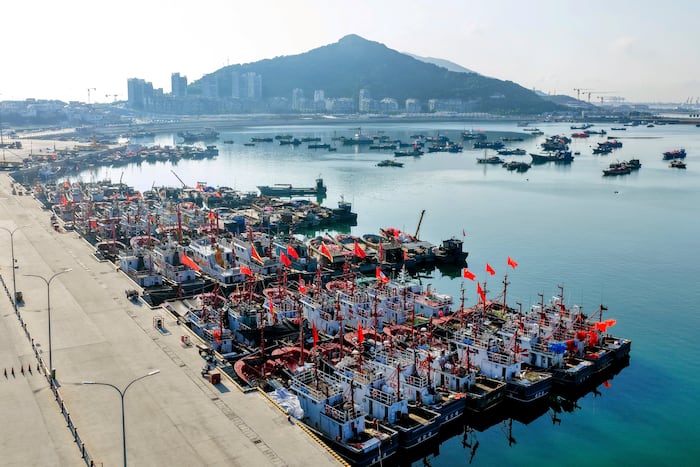
The port of Ningbo, one of the busiest shipping hubs in the world, has taken extraordinary measures to prepare for Typhoon Dolphin’s arrival. Approximately 800 ships have been docked at the port to ride out the storm safely.
This massive concentration of vessels at port represents billions of dollars in maritime assets seeking shelter from the dangerous conditions. Port authorities are monitoring all docked ships to ensure proper securing procedures have been followed.
The shipping disruptions will likely create ripple effects throughout global supply chains. Businesses dependent on goods moving through eastern Chinese ports should anticipate delays in the coming days and weeks.
Maritime workers have been evacuated from exposed positions, and all loading and unloading operations have been suspended until the typhoon passes and conditions are deemed safe for resumption.
Flood and Landslide Risks Explained
The combination of Typhoon Dolphin’s intense rainfall and the region’s topography creates perfect conditions for dangerous flooding and landslides. Emergency management officials are treating these secondary hazards with the same urgency as the wind threat.
Eastern China’s terrain includes numerous hillsides and mountainous areas where saturated soil can give way suddenly. Residents in these areas have received specific warnings about evacuation routes and danger zones.
Urban flooding poses particular challenges in densely populated cities like Shanghai. Storm drainage systems, even when well-maintained, can be overwhelmed by the volume of rainfall expected from this typhoon.
Emergency responders have positioned rescue equipment and personnel throughout the affected areas. Swift-water rescue teams are on standby to assist anyone trapped by rising floodwaters.
What Miami Residents Should Know
For South Florida’s Latin community, the typhoon Dolphin emergency carries relevant lessons about storm preparedness. Miami residents understand the anxiety and disruption that major tropical systems bring to daily life.
Those with family members in eastern China should attempt to establish communication before the storm’s arrival. Phone and internet services may be disrupted during and immediately after the typhoon’s passage through the region.
Business owners with supply chain connections to eastern China should prepare for potential delays. The port closures and transportation disruptions will affect shipping schedules for goods originating from or transiting through the affected areas.
Travelers with upcoming trips to Shanghai, Zhejiang, or Fujian provinces should contact their airlines and hotels immediately. Many carriers are offering flexible rebooking options for flights affected by the storm.
Comparing Typhoons to Atlantic Hurricanes
While typhoons and hurricanes are essentially the same meteorological phenomenon, understanding the differences in how various regions prepare and respond can be educational. Typhoon Dolphin’s 101 mph winds would classify it as a Category 2 hurricane on the Saffir-Simpson scale familiar to Floridians.
China’s emergency response system operates on a different scale than American systems, but the goals remain identical: protecting human life and minimizing property damage from nature’s fury.
The lessons learned from events like Typhoon Dolphin contribute to the global understanding of tropical cyclone preparedness. Emergency management professionals around the world study these events to improve their own response protocols.
Miami’s own hurricane preparedness culture has evolved through decades of experience with Atlantic storms. The Chinese response to Typhoon Dolphin reflects similar hard-won wisdom about respecting nature’s power.
Frequently Asked Questions
How strong is Typhoon Dolphin compared to hurricanes that hit Florida?
Typhoon Dolphin has maximum sustained winds of approximately 101 mph, which would classify it as a Category 2 hurricane on the Saffir-Simpson scale used in the Atlantic. This is comparable to moderate hurricanes that occasionally affect South Florida.
Will Typhoon Dolphin affect shipping from China to the United States?
Yes, the storm is expected to cause shipping delays. Approximately 800 ships have docked at the port of Ningbo, and all port operations have been suspended. Businesses dependent on goods from eastern China should anticipate delays in the coming days and weeks.
When is Typhoon Dolphin expected to make landfall?
According to forecasters, Typhoon Dolphin is expected to hit Zhejiang province and northern parts of Fujian province late Sunday, following the emergency preparations that began on August 8, 2026.