In a historic moment that resonates with communities worldwide, including Miami’s vibrant Latin population with deep ties to global humanitarian causes, 163 Nigerian hostages have been freed after enduring six harrowing months in jihadi captivity. The rescue operation, described by Nigerian President Bola Tinubu as the largest single-day rescue effort in the nation’s history, offers a glimpse into both the tragedy and resilience defining this West African nation’s ongoing security crisis.
The Nigeria rescue operation took place during the week of August 8, 2026, bringing hope to families who had nearly given up on seeing their loved ones alive. Among the freed captives were mostly women and children, survivors of a brutal attack that claimed over 160 lives in the village of Woro back in February.
Six Months of Captivity: Survivor Stories Emerge
The testimonies emerging from survivors paint a devastating picture of life under jihadi control. Mary Ishaya, a 44-year-old woman among those rescued, shared her experience of days without food and the unimaginable task of burying fellow hostages who died during their imprisonment.
“I still cannot find the right words to describe what has happened to us. We saw death and suffering.”
Ishaya, who had never touched a dead body before her ordeal, represents countless survivors now processing trauma that will take years to heal. The Nigeria rescue operation has brought physical freedom, but the emotional scars run deep for these 163 individuals.
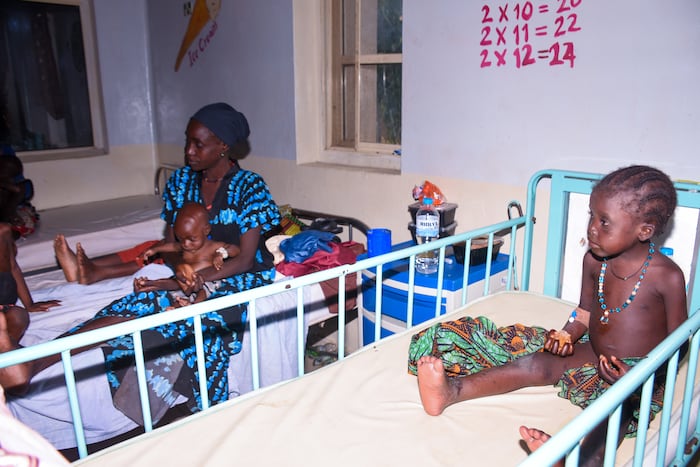
Upon arrival at medical facilities in Ilorin, the capital of Kwara state, the freed captives appeared emaciated. Many could barely stand, laying on hospital floors while medical staff rushed to provide care. Some women learned for the first time that their husbands had been killed during the initial February attack on their village.
Healthcare Heroes: Babies Born in Forest Captivity
Among the remarkable stories of survival comes the account of Amira Saliu, a nurse who found herself using her medical training under the most challenging circumstances imaginable. During the six months in jihadi captivity, Saliu helped approximately 10 pregnant women deliver their babies in the dense forest hideouts.
“I had no choice but to use my bare hands,” Saliu recounted, describing conditions that lacked any medical supplies or sanitary equipment. Her courage and quick thinking likely saved multiple lives during the ordeal.
The captives described hiding whenever Nigerian military helicopters flew overhead, beaten by rain, and watching fellow hostages fall ill without access to medicine. The forest terrain of Kainji Lake National Park provided cover for their captors while making rescue operations extraordinarily difficult.
The February Attack: Understanding the Crisis
The hostages were taken during a devastating assault on the village of Woro on February 3, 2026. Jihadi militants stormed the community, killing over 160 residents and abducting more than 300 people. This attack marked one of the deadliest incidents in Nigeria in recent years.
Local residents in Woro believe the violence was punishment for their resistance to jihadi preachings. Hauwa Saliu, a 30-year-old widow whose husband was killed in the attack, recalled how captors repeatedly asked prisoners whether they had accepted their religious teachings.
Despite the pressure, Saliu refused to comply. “We prayed to God to help us go back home, but it never really crossed our minds that we were going to go back home,” she shared, her words capturing the hopelessness many felt during their captivity.
Security Implications for West Africa
This Nigeria rescue operation highlights a troubling trend: militants previously concentrated in the north are now expanding their activities southward through Africa’s most populous nation. Armed gangs compete for territory and control of natural resources in villages where they often outnumber the country’s stretched security forces.
The United States currently provides military support to Nigeria under an agreement aimed at protecting Nigerian Christians. However, much of this support remains restricted to logistics and intelligence-gathering in the violence-plagued northern regions.
Mass kidnappings have become a defining feature of Nigeria’s security challenges, with schoolchildren frequently targeted. The 163 freed hostages from Woro were rescued alongside 145 additional victims kidnapped from neighboring Niger state, bringing the total rescued to over 300 people.
Read more: Global News That Matters to Miami’s Community
Government Response and Military Reforms
President Tinubu has promised to intensify operations against armed gangs following this successful rescue. His administration has recently announced pay raises and mass recruitment drives for the military, acknowledging that poor welfare among security forces has contributed to the nation’s vulnerability.
Some jihadi militants have positioned themselves as alternatives to government authority in areas with limited official presence. This makes combating their influence particularly challenging, as they exploit existing frustrations with governance and security gaps.
Sekinat Ojeniyi, a senior analyst at global risk consultancy Africa Practice, emphasized the need for proactive measures. According to Ojeniyi, the government must find ways to act on intelligence and prevent militant attacks rather than simply responding after violence occurs.
The Path Forward: Reunification and Recovery
As the freed captives undergo medical evaluations and routine security checks, their primary focus remains on returning home to reunite with surviving family members. For many, home will look different now, with loved ones lost and communities forever changed by the February massacre.
The Nigeria rescue operation represents both a victory and a sobering reminder of ongoing challenges. While 163 lives have been saved, the conditions that allowed such a kidnapping remain largely unaddressed.
International observers and humanitarian organizations are calling for increased support to prevent future attacks. The resilience shown by survivors like Mary Ishaya, Amira Saliu, and Hauwa Saliu offers inspiration, but their suffering underscores the urgent need for comprehensive security solutions.
Why This Matters to Miami’s Global Community
Miami’s Latin community maintains deep connections to global humanitarian issues, with many residents having personal experience with displacement, violence, and the long journey toward healing. The stories emerging from this Nigeria rescue operation resonate with universal themes of survival, faith, and family.
Local organizations in South Florida often mobilize support for international crises, and this situation presents opportunities for community engagement. Whether through prayer, donations to verified humanitarian organizations, or simply sharing these stories, Miami residents can show solidarity with survivors beginning their recovery journey.
The 163 rescued Nigerians join millions worldwide who have survived unimaginable circumstances. Their testimonies remind us that behind every crisis headline are real people with hopes, families, and dreams of returning to normal life.
Frequently Asked Questions
How many hostages were rescued in the Nigeria operation?
A total of 163 hostages were rescued from Woro village, alongside 145 additional victims from Niger state, bringing the total to over 300 freed captives during the week of August 8, 2026.
How long were the hostages held in captivity?
The hostages were held for approximately six months, having been kidnapped during an attack on February 3, 2026, that killed over 160 people in the village of Woro.
What is the Nigerian government doing to prevent future attacks?
President Bola Tinubu has announced pay raises and mass recruitment for the military, promising to intensify operations against armed gangs while addressing welfare issues among security forces.