A devastating tragedy has struck the remote Himalayan region of India, where a catastrophic gas explosion inside a hydropower tunnel claimed the lives of 25 workers. Authorities in the northeastern state of Sikkim confirmed on July 23, 2026, that rescue operations have officially concluded after recovering the bodies of all trapped employees from the collapsed underground passage.
The fatal incident occurred on July 21, 2026, at the 500-megawatt Teesta Hydroelectric Project, located approximately 40 kilometers south of Gangtok, the state capital. A sudden buildup of methane gas triggered a powerful explosion that ripped through the tunnel, trapping dozens of workers deep underground in what would become one of India’s deadliest construction accidents in recent years.
Four Days of Intense Rescue Operations
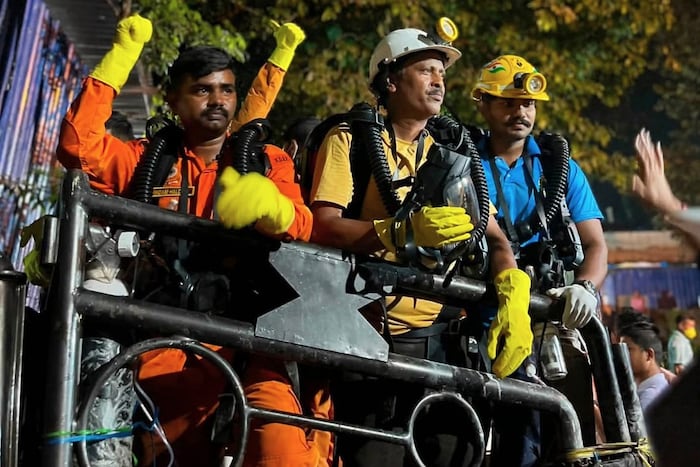
Multiple government agencies coordinated an intensive four-day rescue effort in an attempt to reach the trapped workers. The operation faced significant challenges due to the presence of toxic gases that continued to fill the tunnel, making it extremely dangerous for rescue teams to navigate the underground passages.
Following the recovery of all the missing employees, teams carried out a final inspection of the tunnel, the state government of Sikkim said in a statement.
Initially, rescue crews managed to locate and extract some workers, but as the days progressed, hopes of finding additional survivors diminished. By the time operations concluded, authorities confirmed they had recovered the bodies of all 25 victims, including the final 13 workers whose remains were retrieved on the last day of the search.
A Region Plagued by Geological Challenges
The Teesta River basin, where this hydropower project is under construction, presents unique and formidable challenges for infrastructure development. Experts have long warned about the inherent risks of tunnel construction in this seismically active region, which is characterized by:
- Young and fragile rock formations prone to collapse
- Numerous fractures throughout the geological structure
- Underground pockets capable of trapping ancient gases like methane
- Unpredictable seismic activity that can destabilize construction sites
- Extreme weather conditions that complicate safety measures
These geological factors create an environment where tunnel projects carry substantially higher risks compared to similar undertakings in more stable regions. The combination of trapped gases and fragile rock formations proved to be a deadly combination in this particular incident.
Government Response and Investigation
In response to the tragedy, the Sikkim state government announced the formation of a high-level committee tasked with investigating the circumstances surrounding the disaster. This investigative body will be responsible for determining the exact cause of the methane gas buildup and evaluating whether proper safety protocols were in place at the time of the explosion.
The committee is also expected to recommend comprehensive safeguards and preventive measures to ensure such accidents do not occur in future construction projects. Given the region’s geological vulnerabilities, these recommendations could have far-reaching implications for how hydropower and tunnel projects are managed throughout the Himalayan belt.
A Pattern of Construction Tragedies
Unfortunately, this disaster is not an isolated incident in India’s infrastructure development landscape. The country has witnessed multiple construction accidents in recent years, particularly in regions where rapid infrastructure growth intersects with challenging geological conditions. Notable previous incidents include:
- A coal mine explosion in neighboring Meghalaya state in February 2026 that killed 18 workers
- A tunnel collapse in Uttarakhand state in 2023 that trapped 41 workers underground for 17 days before their eventual rescue
- Numerous smaller incidents across various construction sites throughout the country
These recurring tragedies have sparked ongoing debates about safety standards in India’s construction industry, where the pressure to complete projects quickly sometimes conflicts with the need for rigorous safety protocols. Critics argue that more stringent oversight and better training for workers could prevent many of these deaths.
As families mourn the loss of their loved ones, the focus now shifts to accountability and prevention. The 25 workers who perished in the Teesta tunnel represent not just a statistic, but individuals who were helping to build India’s energy infrastructure. Their deaths serve as a somber reminder of the human cost behind the country’s ambitious development goals and the urgent need for improved safety measures in high-risk construction environments.