The ongoing military confrontation between the United States and Iran reached new levels of intensity on July 24, 2026, when explosive-laden drones targeted the northern Iraqi city of Irbil, home to American military personnel. The attack came just hours after the Pentagon confirmed completion of its 13th consecutive night of strikes against Iranian targets, signaling no end in sight to the escalating conflict.
Multiple Drone Attacks Intercepted Over Irbil
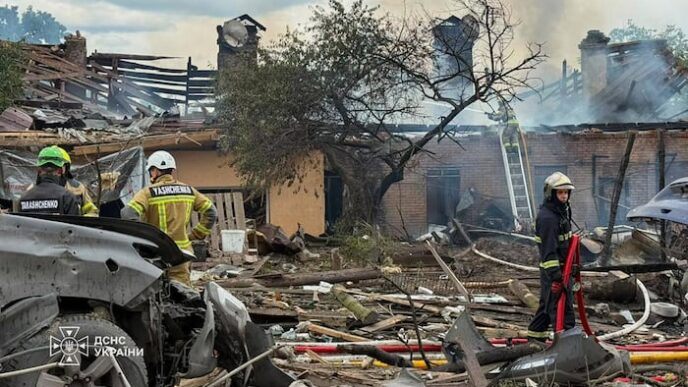
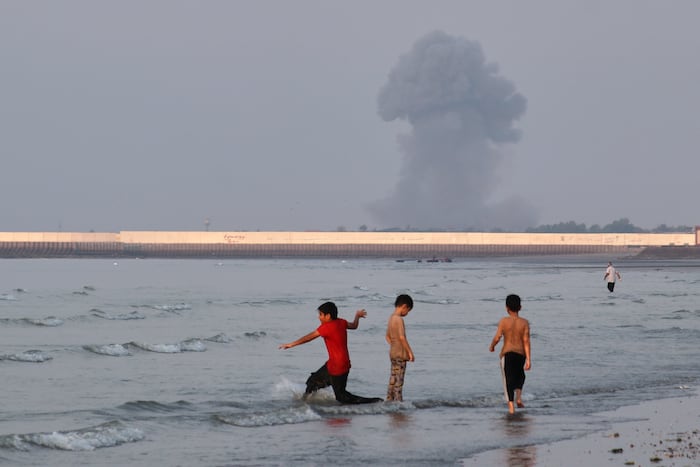
American-led coalition forces successfully intercepted and destroyed five drones carrying explosives over Irbil, according to security officials in Iraq’s semiautonomous Kurdish region. Witnesses on the ground reported hearing at least seven explosions throughout the city, with multiple columns of black smoke rising from areas near or within a military installation at the city’s airport where US troops are stationed.
Despite the alarming attack, airport operations continued without interruption. Iraqi authorities confirmed that commercial flights maintained their regular schedules throughout the incident. The US military contingent in Iraq, which consists primarily of military advisers stationed across the country with a significant presence in Irbil, has not yet issued an official statement regarding the attack.
Iran Expands Regional Attacks on US Positions
Iran’s Revolutionary Guard Corps escalated its offensive operations by targeting American military assets across multiple countries in the region. The Guard issued a stark warning to civilians in neighboring nations, urging them to maintain distance from any facilities hosting American troops.
The Revolutionary Guard claimed responsibility for striking the US military base in Udairi, Kuwait, allegedly destroying three ammunition and storage facilities. They also reported targeting a watchtower belonging to the US Navy’s Fifth Fleet headquarters in Bahrain.
Regional allies have been actively defending against the Iranian assault. Bahrain announced successful interception of Iranian aerial attacks on July 24, though officials did not disclose whether the defensive operations resulted in any casualties or property damage. Jordan’s armed forces reported an even more significant defensive effort, shooting down seven Iranian missiles and six drones during the same period.
US Continues Relentless Bombing Campaign Against Iran
American military operations have targeted strategic Iranian assets across multiple locations, including:
- A Revolutionary Guard naval base in northern Iran
- Qeshm Island, a critical hub for Iranian naval assets including attack drone boats
- Isfahan province, which houses a major air base and nuclear facilities
- Khuzestan province in southwestern Iran
- Fars province in southern Iran
US Central Command stated that the sustained bombing campaign aims to degrade Iran’s capability to threaten civilian mariners and commercial vessels navigating through regional waters, particularly the strategically vital Strait of Hormuz.
Strait of Hormuz Becomes Central Battleground
The conflict has increasingly centered on control of the Strait of Hormuz, a narrow waterway through which approximately one-fifth of the world’s oil and natural gas supplies transit during peacetime. Iran’s ability to effectively close this critical passage gives Tehran significant leverage, as any disruption would trigger skyrocketing fuel prices and widespread economic turmoil across the globe.
Compounding the crisis, Iran-backed Houthi rebels opened a new front in the conflict by targeting two Saudi oil tankers in the Red Sea on July 23, 2026. This action fulfills previous Houthi threats to cut off alternative shipping routes for Middle Eastern oil exports, further tightening the economic pressure on the international community.
Humanitarian Cost and Uncertain Path Forward
The Iranian Health Ministry reports that 3,434 people have been killed since hostilities commenced following the initial US and Israeli attack on Iran on February 28, 2026. The war, which began with stated objectives of regime change in Tehran and elimination of Iran’s nuclear program, has evolved into a bitter struggle for control over critical maritime passages.
Despite widespread opposition to the conflict and its devastating impact on both Iran and the global economy, diplomatic observers note that no clear path to de-escalation currently exists. Iran appears to be betting that the economic damage inflicted through maritime disruption will eventually force concessions from the United States and its allies, while Washington remains committed to restoring freedom of navigation through the strategic waterway.