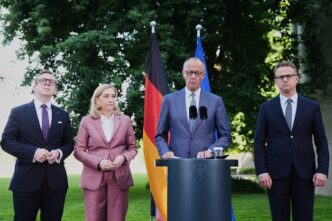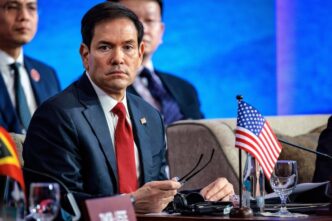
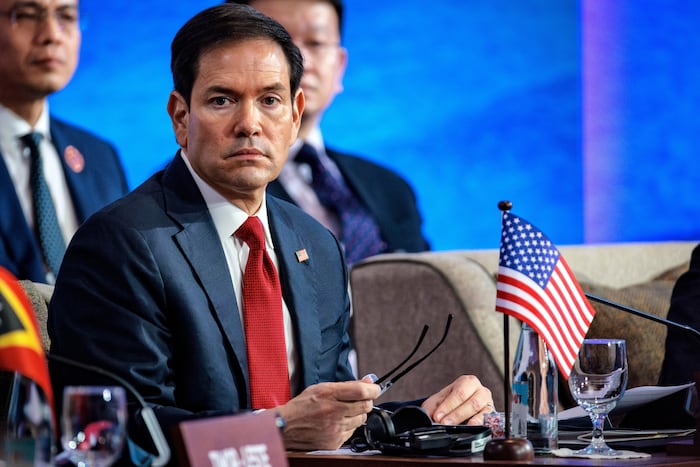
United States Secretary of State Marco Rubio held a pivotal meeting with Russian Foreign Minister Sergey Lavrov on July 23, 2026, in Manila, Philippines, as Washington attempts to reignite its role as a potential mediator in ending the prolonged conflict between Russia and Ukraine. The high-stakes diplomatic encounter took place on the sidelines of the Association of Southeast Asian Nations (ASEAN) foreign ministers’ annual gathering.
Diplomatic Efforts Resume Amid Global Tensions
The State Department confirmed that the two officials discussed the bilateral relationship between the United States and Russia, with particular emphasis on the urgent need to bring the Russia-Ukraine war to a conclusion. However, specific details about the approximately 30-minute meeting remained scarce, as both sides maintained a guarded approach to media inquiries.
“They discussed the U.S.-Russia relationship and the need to end the Russia-Ukraine war,” a State Department spokesperson stated following the closed-door session.
The meeting comes at a critical juncture in international affairs, with U.S. efforts to broker peace between Moscow and Kyiv having stalled in recent months. The intensifying conflict between Washington and Tehran has dominated American foreign policy attention, pushing Ukraine negotiations to the background as an interim ceasefire deal collapsed and renewed strikes escalated between the two nations.
Lavrov’s Dismissive Attitude Raises Eyebrows
Russian Foreign Minister Lavrov’s behavior during the Manila gathering drew attention for its notably dismissive tone. When reporters shouted questions about whether Russia was providing Iran with targeting data on U.S. locations in the region, Lavrov initially challenged them by saying “Speak louder,” despite the questions being clearly audible in the quiet room.
Upon exiting the meeting, Lavrov was again pressed about Russia’s alleged assistance to Iran in targeting American troops. Rather than addressing the serious allegation, he responded to a reporter by commenting, “Nice hairstyle” — a deflection that highlighted the tense atmosphere surrounding the diplomatic discussions.
Key Issues on the ASEAN Summit Agenda
The three-day closed-door talks that began on July 21, 2026, have addressed multiple pressing international concerns:
- The resurgent war in the Middle East between the United States and Iran
- The ongoing conflict between Russia and Ukraine
- Territorial disputes in the South China Sea, where a new clash erupted on July 23
- China’s recent missile test from a nuclear-powered submarine in the Pacific
Secretary Rubio had indicated on July 22 that he intended to raise Ukraine with his Russian counterpart, acknowledging that American mediation efforts had “kind of fallen off a little bit over the last few months.” He emphasized that Washington remains open to facilitating an end to the conflict “if that opportunity presents itself.”
Nuclear Powers Must Maintain Dialogue
Despite deep disagreements between Washington and Moscow, Rubio stressed the importance of maintaining diplomatic channels between the world’s two largest nuclear-armed nations. The Secretary of State also expressed interest in exploring other potential areas of cooperation with Russia beyond the Ukraine conflict.
Lavrov, speaking to reporters before the meeting, indicated he would question Rubio about recent statements from President Donald Trump suggesting that a settlement to the Ukraine war might be approaching. However, the Russian minister offered no public assessment of the discussions afterward.
Ukraine’s Internal Struggles Complicate Peace Prospects
The push for renewed negotiations comes as Ukraine has achieved significant military progress throughout 2026. However, internal divisions among defense leaders have threatened to undermine Kyiv’s position. Ukrainian President Volodymyr Zelenskyy has undertaken a major government restructuring, including changes to the country’s top military leadership.
Meanwhile, regional tensions extended beyond the Russia-Ukraine conflict at the Manila summit. Australian Foreign Minister Penny Wong expressed serious concerns about China’s recent missile test from a nuclear submarine, describing it as “provocative and destabilizing.” The missile flew over Philippine airspace and landed near Pacific island nations, prompting criticism about inadequate advance notification.
Secretary Rubio also conducted lengthy meetings with Chinese Foreign Minister Wang Yi and Indian External Affairs Minister Subrahmanyam Jaishankar during the summit, underscoring the complex web of diplomatic relationships that the United States must navigate as it seeks to address multiple international crises simultaneously.