A growing number of Florida consumers are discovering that the state’s primary financial safeguard against dishonest car dealerships may no longer provide adequate protection in an era of increasingly expensive vehicles. The controversy centers on a $25,000 surety bond requirement that has remained unchanged since Richard Nixon occupied the White House.
A South Florida Woman’s Two-Year Nightmare
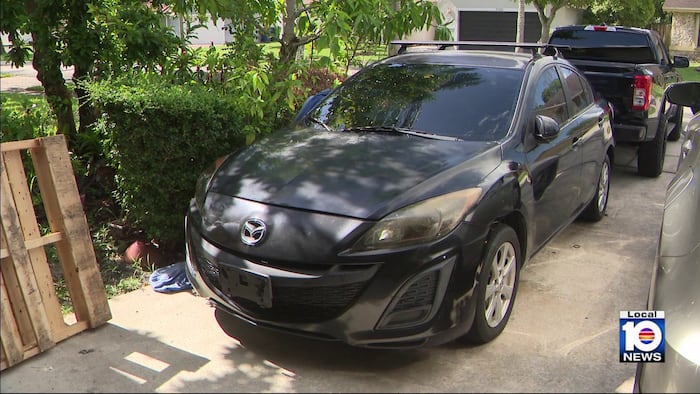
Pamela Wright, a 74-year-old retired real estate professional, has spent nearly two years staring at a vehicle she legally cannot operate. Wright purchased a used Mazda in June 2024 for approximately $6,000, intending it as a graduation gift for her grandson who needed reliable transportation to work.
The car sits idle in her driveway, not because of mechanical problems, but because Wright claims she never received the vehicle’s title from the dealership, Superior Car Sales, which has since closed its doors.
“I cannot register the car. I cannot insure the car. I cannot drive the car. I have no use for it more than it’s sitting in my driveway.”
Wright alleges the dealership made repeated promises to correct the paperwork but ultimately failed to deliver the title before shutting down operations permanently.
Multiple Consumers Fighting Over Limited Funds
Court records reveal that Wright’s situation is far from unique. A lawsuit filed by Hudson Insurance Company shows that 11 different consumers are now asserting competing claims against the same $25,000 dealer bond issued for Superior Car Sales. The insurance company has asked a judge to determine how the limited funds should be distributed among all the claimants.
The mathematics paint a grim picture for affected consumers:
- Total bond amount available: $25,000
- Number of competing claimants: 11 consumers
- Equal distribution per person: approximately $2,270
- Actual losses claimed: significantly higher than available funds
This scenario illustrates a fundamental problem with Florida’s current consumer protection framework. When multiple victims emerge from a single dealership’s misconduct, the limited bond amount leaves most consumers with only partial compensation for their losses.
Legal Experts Sound the Alarm
South Florida attorney Josh Feygin, who specializes in representing consumers in automobile dealership disputes, has witnessed this problem repeatedly throughout his career. He describes the current $25,000 bond requirement as woefully inadequate for today’s automotive marketplace.
“When the average cost of a vehicle is much more than $25,000, it doesn’t make sense that there’s only a $25,000 pot to go after.”
Feygin reports that he has represented numerous clients who successfully obtained court judgments against dealerships, only to discover the dealer’s bond had already been depleted by previous claims. This leaves victorious consumers with legal victories that translate into zero actual recovery.
A Law Frozen in Time Since 1970
Florida Statute 320.27(10) requires licensed motor vehicle dealers to maintain a $25,000 surety bond as a condition of doing business. This bond serves as the primary financial safety net for consumers who suffer losses due to dealer violations, including failure to properly transfer vehicle ownership.
A review of the legislative history reveals that this bond requirement dates back to the 1970 legislative session. During that era:
- Gasoline cost approximately 36 cents per gallon
- The average new vehicle price represented a small fraction of current costs
- The $25,000 bond provided substantial consumer protection
Despite more than five decades of inflation and dramatic increases in vehicle prices, the required bond amount has remained completely unchanged for 56 years.
What Needs to Change
Consumer advocates and legal professionals argue that Florida’s legislature must update the bond requirement to reflect modern economic realities. The current framework essentially guarantees that consumers victimized by unscrupulous dealerships will receive only pennies on the dollar when multiple claims arise against the same bond.
Only the Florida Legislature possesses the authority to modify this statute and increase the required bond amount. Until lawmakers take action, Florida consumers purchasing vehicles from independent dealerships continue operating under protections designed for a marketplace that no longer exists.
For consumers like Pamela Wright, the question remains painfully simple: How can a state allow its consumer protection laws to remain frozen in time while the costs they’re meant to cover have increased exponentially?