MotoGP officials have drawn a firm line in the sand regarding safety standards as Liberty Media explores bringing motorcycle racing to South Florida’s prestigious street circuit. The championship’s governing body made clear this week that no amount of commercial appeal will compromise rider welfare.
As Liberty Media continues its aggressive expansion of motorsport properties in the United States, the prospect of a MotoGP race in Miami has gained significant traction. However, Dorna Sports CEO Carmelo Ezpeleta emphasized that the current Hard Rock Stadium circuit configuration presents fundamental challenges that must be addressed before any agreement moves forward.
Liberty Media’s American Expansion Vision
The Push for US Market Growth
Liberty Media’s acquisition strategy has transformed the American motorsport landscape. Following their successful revitalization of Formula 1’s US presence, the company now sets its sights on accelerating MotoGP’s growth across North America.
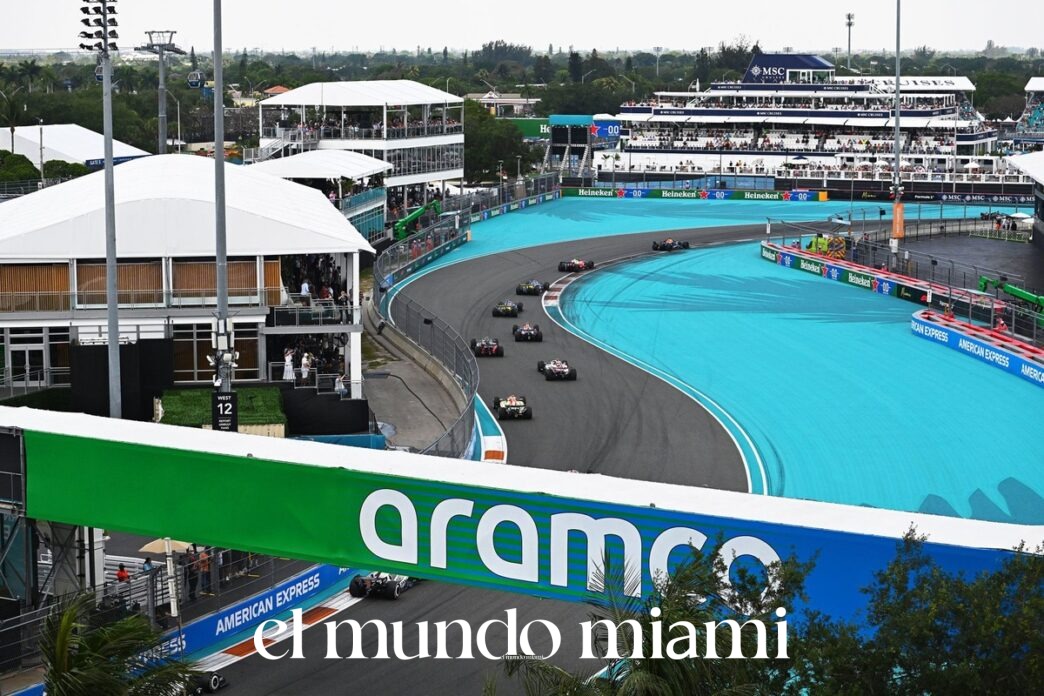
The Miami International Autodrome, which hosts the Formula 1 Miami Grand Prix, represents an attractive venue for expanding motorcycle racing’s footprint. The circuit’s modern facilities, celebrity appeal, and proven track record of delivering spectacular racing events make it a natural target.
However, motorcycle racing safety requirements differ substantially from four-wheeled motorsport. The unique vulnerabilities riders face demand specialized infrastructure that current F1-focused venues simply weren’t designed to accommodate.
Critical Safety Infrastructure Concerns
Why Street Circuits Pose Challenges
MotoGP’s safety standards have evolved dramatically over recent decades. Modern grand prix motorcycle racing demands extensive run-off areas, specialized barrier systems, and surface conditions that meet rigorous specifications.
Street circuits, by their nature, present inherent limitations. Concrete walls, limited escape routes, and unforgiving trackside barriers create dangers that riders cannot accept. The consequences of crashes at 200+ mph leave zero margin for error.
Ezpeleta outlined specific concerns during recent discussions with Liberty Media representatives. The current Miami layout features several sections where modifications would prove either technically challenging or prohibitively expensive to implement.
Rider Safety Non-Negotiables
The MotoGP Safety Commission, which includes active rider representatives, maintains strict oversight of circuit homologation. Any new venue must satisfy comprehensive requirements before receiving approval for competition.
Key safety elements include:
- Gravel traps and paved run-off areas of sufficient depth and length
- Air fence barriers at critical impact zones
- Track surface consistency meeting FIM standards
- Medical facility proximity and helicopter access
- Corner approach angles suitable for motorcycle dynamics
Carmelo Ezpeleta’s Definitive Stance
Commercial Appeal Cannot Override Safety
Dorna’s leadership acknowledged the tremendous commercial opportunity a Miami race would represent. The city’s glamour, international profile, and wealthy demographic align perfectly with premium sports entertainment.
Nevertheless, Ezpeleta remained unequivocal: “We will not compromise on safety for any venue, regardless of its commercial potential.” This statement reflects MotoGP’s hard-learned lessons from past tragedies that fundamentally reshaped the sport’s approach to rider protection.
The championship has invested heavily in safety research and development over recent years. Airbag suit technology, improved helmet standards, and circuit modifications worldwide demonstrate ongoing commitment to reducing serious injuries.
Negotiations Continue Despite Obstacles
Despite the challenges, both parties remain engaged in productive discussions. Liberty Media’s resources and expertise in venue development could potentially overcome current infrastructure limitations.
Engineers from both organizations have reportedly begun preliminary assessments of what modifications the Miami circuit would require. Early estimates suggest significant construction work would be necessary, particularly around the stadium section and certain street portions.
The Broader American Strategy
Beyond Miami’s Glamour
MotoGP currently races at Circuit of the Americas in Austin, Texas, which serves as the championship’s sole US venue. Adding a second American race would dramatically increase domestic television exposure and fan engagement.
The American motorcycle market represents enormous untapped potential. Manufacturers including Ducati, Aprilia, and KTM see expanded US racing presence as crucial for brand development and sales growth.
Liberty Media’s proven ability to cultivate American motorsport audiences through innovative marketing and entertainment-focused event presentation offers a compelling partnership opportunity. Their transformation of F1’s US perception provides a blueprint for similar MotoGP growth.
Alternative Venues Under Consideration
While Miami dominates current headlines, other American circuits remain in consideration for potential MotoGP events. Purpose-built racing facilities would present fewer safety modification challenges than street circuits.
Venues with existing FIM homologation could fast-track the approval process significantly. This practical consideration may ultimately influence where additional US races eventually land on the calendar.
What This Means for Fans
Timeline Expectations
Fans eager to see MotoGP in Miami should temper immediate expectations. Even with agreement in principle, the extensive modifications required would likely push any debut to 2028 at the earliest.
The homologation process alone requires multiple inspection stages and cannot be rushed. Safety certification demands physical verification of completed construction, not merely approved plans.
The Positive Outlook
Despite obstacles, the ongoing dialogue represents genuine progress toward expanding MotoGP’s American presence. Liberty Media’s commitment to finding workable solutions suggests eventual success remains achievable.
The championship’s firm safety stance, while creating short-term delays, ultimately protects the sport’s long-term viability and protects the athletes who make spectacular racing possible.
MotoGP’s insistence on maintaining rigorous safety standards for the potential Miami GP demonstrates the championship’s maturity and responsibility. While Liberty Media’s commercial ambitions and substantial resources create exciting possibilities for American expansion, rider welfare remains the non-negotiable foundation upon which any new venue must be built. Fans should watch this developing story closely as negotiations continue, understanding that patience now ensures sustainable growth and protected competitors in the future.