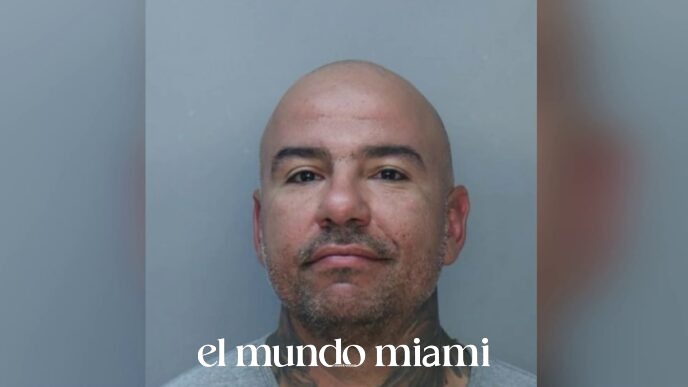
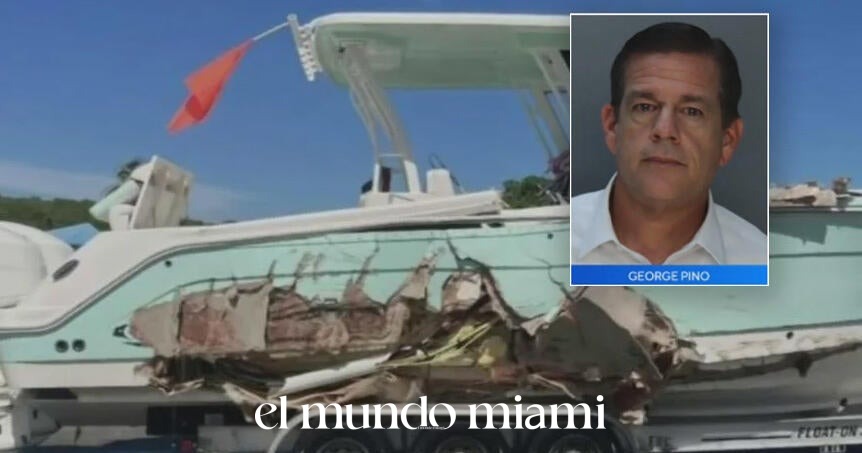
Jury selection is expected to begin Monday in the trial of George Pino, who faces charges related to a fatal boat crash. The case has drawn significant attention as the legal proceedings move forward in what has become a high-profile maritime incident trial.
Trial Proceedings Set to Begin
The jury selection process marks a critical milestone in the case against George Pino. As the trial commences, potential jurors will be screened to ensure an impartial panel can be seated to hear evidence and testimony related to the fatal boat crash.
The proceedings are scheduled to begin on Monday, June 1, 2026, bringing the case closer to resolution after the investigation and pre-trial procedures.
Background of the Case
The trial stems from a boat crash that resulted in at least one fatality. While specific details about the incident remain part of the evidence to be presented during trial, the case has proceeded through the legal system with Pino facing serious charges related to the maritime accident.
Legal Process Ahead
The jury selection phase, also known as voir dire, is a crucial component of the trial process. During this stage, attorneys from both the prosecution and defense will question potential jurors to identify any biases or conflicts that might affect their ability to render an impartial verdict.
Once a jury is seated, the trial will proceed with opening statements, followed by the presentation of evidence, witness testimony, and closing arguments before deliberations begin.
Significance of Maritime Accident Cases
Fatal boat crash cases often involve complex legal questions regarding maritime law, negligence, and safety regulations. These trials require careful examination of evidence including weather conditions, vessel operation, safety equipment usage, and adherence to boating regulations at the time of the incident.
The outcome of such cases can have implications for boating safety standards and enforcement in the region, making them matters of public interest beyond the immediate parties involved.
Community Impact
Cases involving fatal maritime accidents often resonate deeply within coastal communities where boating is a common recreational and commercial activity. The trial is expected to draw attention from local residents and those concerned with water safety issues.
As the trial unfolds, it will provide an opportunity for the legal system to examine the circumstances surrounding the fatal crash and determine accountability based on the evidence presented.
What to Expect
The duration of jury selection can vary depending on the complexity of the case and the number of potential jurors that must be interviewed before a full panel is seated. Following jury selection, the trial itself could last several days or weeks, depending on the amount of evidence and number of witnesses to be called.
Court observers and legal analysts will be watching closely as the proceedings unfold, with the trial expected to address important questions about the circumstances that led to the fatal boat crash and the applicable legal standards in such cases.
The trial represents a significant moment in the pursuit of justice for those affected by the tragic incident.