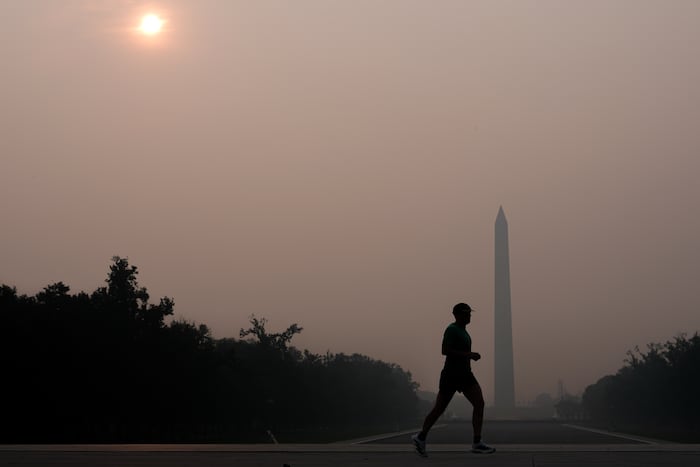
As wildfires continue to rage across North America, sending thick plumes of smoke drifting over major cities, millions of residents are facing a hidden danger that goes beyond the unsettling orange glow in the sky. On July 19, 2026, health experts are urging families to take immediate action to protect the air quality inside their homes, as microscopic particles from wildfire smoke pose serious health risks that can affect everyone from children to the elderly.
The recent wave of Canadian wildfires has created hazardous air conditions for communities across multiple U.S. states, including areas where Miami residents may have family or travel connections. Understanding how to maintain clean indoor air during these smoke events has become an essential skill for modern families concerned about respiratory health and overall well-being.
Maximizing Your Air Conditioning System for Smoke Protection
For homeowners with central air conditioning systems, proper maintenance and settings can transform your HVAC into a powerful defense against wildfire smoke infiltration. Experts recommend several key steps to optimize your system’s air-cleaning capabilities during smoke events.
- Replace filters on schedule and upgrade to MERV 13 rated filters or higher for maximum particle filtration
- Set your system to recirculate indoor air rather than pulling from outside sources
- Close any vents that draw air from outdoors if your system allows this adjustment
- Run the system’s fan continuously throughout the smoke event, not just during cooling cycles
Researchers at the University of Oregon’s Center for Wildfire Smoke Research and Practice emphasize that continuous fan operation is crucial for maintaining consistent air quality throughout your home during extended smoke exposure periods.
Creating Affordable DIY Air Filtration Solutions
Not everyone can afford commercial air purifiers, but scientific research has revealed that homemade filtration systems can be remarkably effective. Environmental Protection Agency scientists have confirmed that DIY filters constructed from common materials perform just as well as small commercial air purifiers when it comes to removing dangerous fine particles from indoor air.
“The good news is they really work. The basic message is that something is better than nothing,” said Amy Kalkbrenner, an environmental epidemiologist at the University of Wisconsin-Milwaukee.
Building your own effective air filter requires only a few readily available materials:
- Four 20-by-20-inch furnace air filters rated MERV 13 or higher
- One standard box fan
- Cardboard for structural support
- Duct tape to seal all connections
When assembling your DIY filter, ensure the fan blows outward and the arrows on the filters point inward toward the fan. The EPA website offers modified designs using fewer filters for those with limited resources. The key is creating an airtight seal around all edges to maximize filtration efficiency.
Window AC Units and Portable Air Conditioners: What You Need to Know
Many window air conditioning units, mini-split systems, and portable air conditioners lack the sophisticated filtration needed to remove fine pollution particles from wildfire smoke. However, abandoning cooling during smoke events can create its own dangerous health situation.
“When smoke and heat occur together, the impacts on your health are even greater than when they occur by themselves,” explained Jess Downey, a researcher at the University of Oregon’s Center for Wildfire Smoke Research and Practice.
The recommended approach involves running your AC unit while simultaneously using an air purifier or DIY box fan filter to address air quality concerns. Additionally, homeowners should verify that window units are properly sealed within their frames to prevent unfiltered outdoor air from entering, and ensure settings are configured to recirculate indoor air rather than drawing from outside.
Sealing Your Home Against Smoke Infiltration
Creating a protective barrier between your living space and smoke-laden outdoor air requires attention to every potential entry point. Dr. Khalilah Gates, a lung specialist with Northwestern Medicine, offers practical advice for families looking to minimize smoke exposure.
“Being from Chicago, I think you can liken it to trying to keep the cold air out. Any areas in which air can come in, consider sealing up those areas to reduce the amount that’s coming into the home.”
Common sealing solutions include using towels under doors, applying tape around window frames, and blocking any gaps in exterior walls or around utility connections. During high smoke conditions, experts also recommend avoiding any indoor combustion sources:
- Avoid lighting candles or using fireplaces
- Minimize use of gas stoves by planning meals ahead
- Consider preparing cold meals or using electric cooking appliances
- Refrain from smoking indoors or near entry points
For those without air conditioning or adequate home filtration, seeking refuge in public spaces with clean, filtered air remains an important option. Public libraries, shopping malls, and community cooling centers often maintain air quality systems capable of providing relief from both heat and smoke exposure.
As wildfire seasons become increasingly intense and unpredictable, investing in proper air filtration and understanding these protective measures has become essential for families throughout the United States. Taking action now to prepare your home can make a significant difference in protecting your family’s respiratory health during future smoke events.