New York City health authorities confirmed on July 19, 2026, that a second person has died following a Legionnaires’ disease outbreak that has been spreading through Manhattan’s Upper East Side neighborhood. The announcement comes just one day after officials reported the first fatality connected to this alarming public health crisis.
Outbreak Claims Second Life as Cases Reach 72
According to the New York City Health Department, the outbreak has now infected a total of 72 individuals in the affluent Upper East Side area. The rapid succession of deaths has raised concerns among residents and health professionals alike, prompting intensified efforts to identify and eliminate the source of contamination.
“We are heartbroken to learn that another New Yorker has lost their life to Legionnaires’ disease on the Upper East Side. Our deepest condolences are with their loved ones as they grieve,” stated New York City Health Commissioner Dr. Alister F. Martin in an official announcement.
The somber news serves as a stark reminder of the potentially deadly nature of this bacterial infection, which can rapidly progress from mild symptoms to life-threatening pneumonia if not treated promptly. Health officials are urging residents in the affected area to remain vigilant and seek medical attention immediately if they experience symptoms such as fever, cough, shortness of breath, or muscle aches.
Understanding Legionnaires’ Disease and Its Dangers
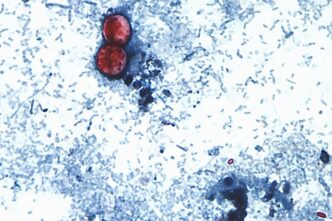
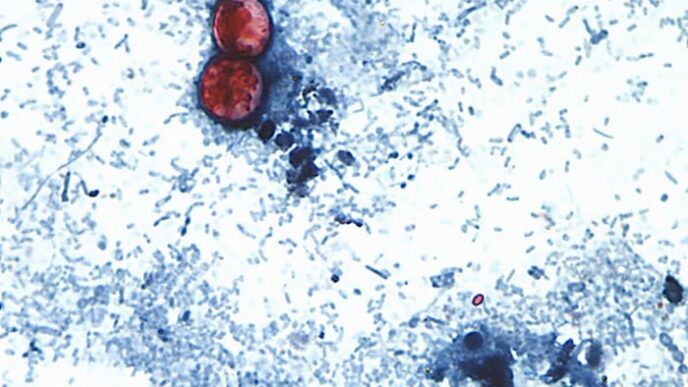
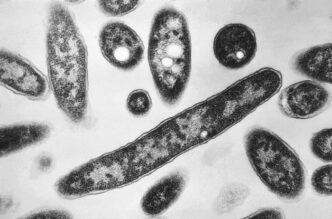
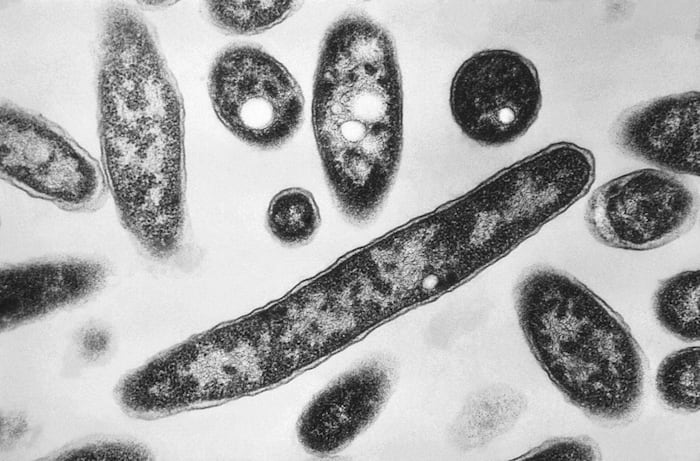
Legionnaires’ disease is a severe form of pneumonia caused by the Legionella bacteria, which thrives in warm, stagnant water environments. The infection typically spreads when people inhale contaminated water droplets from various sources, making it a particular concern in urban environments with complex water systems.
Common sources of Legionella bacteria include:
- Cooling towers used in air conditioning systems for large buildings
- Hot tubs and whirlpool spas
- Decorative fountains and water features
- Hot water tanks and heaters
- Large plumbing systems in hospitals, hotels, and residential complexes
- Humidifiers and misting systems
According to the U.S. Centers for Disease Control and Prevention, approximately 10% of people who contract Legionnaires’ disease will die due to complications from the illness. This statistic underscores the importance of early detection and aggressive treatment with antibiotics.
Health Officials Focus on Cooling Towers
In their investigation of the current outbreak, New York City health officials have concentrated their efforts on testing cooling towers that serve as part of air conditioning systems for large commercial and residential buildings in the affected area. These towers are known to be potential breeding grounds for the bacteria when not properly maintained.
Property owners whose cooling towers have tested positive for Legionella contamination have been ordered to take immediate action, including:
- Complete drainage of contaminated cooling towers
- Thorough disinfection using approved chemical treatments
- Implementation of enhanced water management protocols
- Regular testing and monitoring of water quality
- Documentation and reporting to health authorities
While investigators have not yet pinpointed the exact source of the current outbreak, there is encouraging news on the horizon. Health officials reported that there has been a sustained decline in new cases being reported, which suggests that the source of exposure to the Legionella bacteria has likely been identified and eliminated through the aggressive testing and disinfection measures.
A Troubling Pattern in New York City
This latest outbreak follows a devastating Legionnaires’ disease crisis that struck New York City in 2025, when an outbreak in the Harlem neighborhood claimed the lives of seven people and sickened more than 100 residents. That incident prompted city officials to implement stricter regulations regarding the maintenance and monitoring of cooling towers throughout the five boroughs.
Despite these enhanced measures, the recurrence of a deadly outbreak demonstrates the ongoing challenges health authorities face in preventing the spread of waterborne diseases in densely populated urban areas. The situation has renewed calls for even more stringent oversight and regular inspections of building water systems.
For Miami residents with friends or family in New York City, health experts recommend staying informed about the outbreak and encouraging loved ones in affected areas to take precautions. Those planning travel to Manhattan should monitor local health advisories and be aware of symptoms that might indicate infection. The Legionnaires’ disease outbreak serves as a reminder that public health threats can emerge unexpectedly, making awareness and rapid response crucial for protecting community well-being.