Extreme weather and climate events took a devastating toll on Africa in 2025, claiming more than 3,000 lives and impacting at least 13 million people across the continent, according to a sobering report released Thursday by the World Meteorological Organization (WMO). The United Nations agency warned that Africa is warming at a faster rate than the global average, with catastrophic consequences for its population.
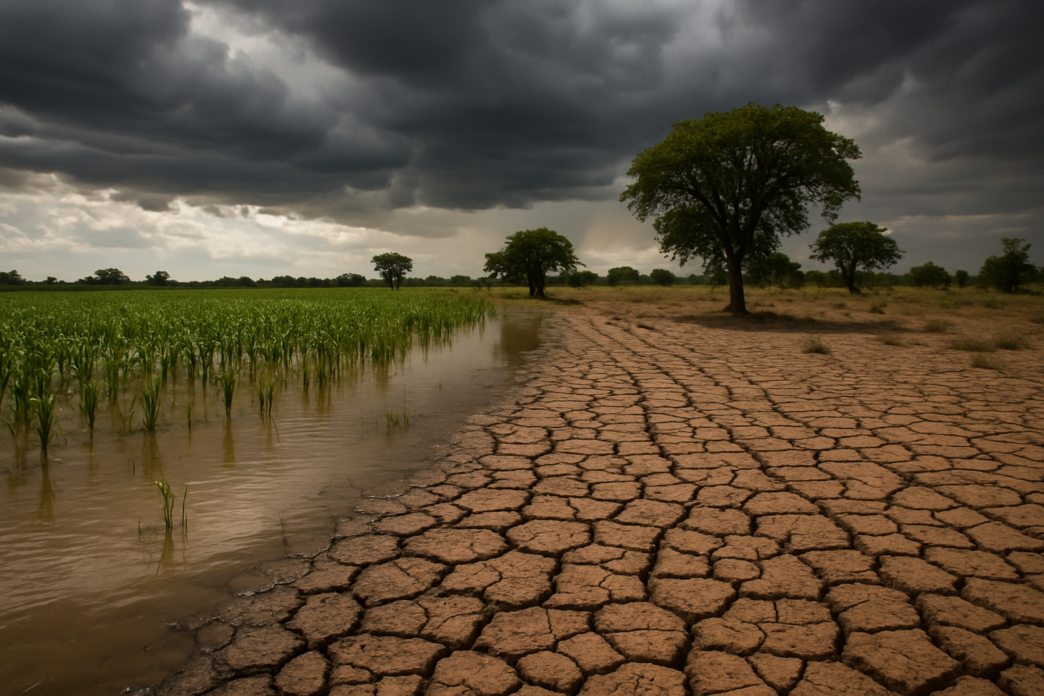
Flooding emerged as the most destructive natural disaster of the year, accounting for more than half of all extreme weather events documented in the “State of the Climate in Africa 2025” report. Among the deadliest incidents were April floods in the Democratic Republic of Congo that killed over 160 people, and May flooding in Nigeria that left more than 200 dead. Meanwhile, drought conditions affected more than 8.5 million people in East Africa, particularly in Horn of Africa nations like Somalia and Kenya, where rainfall remained below average for most of the year.
The report paints a troubling picture of a continent in climate crisis. Average temperatures ranked between the third and seventh highest ever recorded, with the warming rate since 1991 exceeding any previous 30-year period. Northern Africa showed the most dramatic temperature anomalies, especially along the coastal regions of Algeria and Tunisia. Perhaps most alarming is the rapid disappearance of African glaciers, which have lost over 90 percent of their surface area since the late 1800s. Mount Kilimanjaro’s glacial coverage has shrunk from 11.4 square kilometers in 1900 to less than one square kilometer today.
Rising sea levels pose another critical threat, with African coastal regions experiencing increases well above the global average. While worldwide sea levels rose 3.6 millimeters annually between 1999 and 2025, Africa’s Atlantic coast saw 4.2 millimeters per year, the Indian Ocean coast recorded 5.2 millimeters, and the Red Sea region experienced 5.6 millimeters of annual rise. Ocean warming and acidification continue threatening marine ecosystems and the millions who depend on fishing and coastal resources for their livelihoods.
Despite the severity of these impacts, the WMO noted that fewer than 40 percent of African countries have adequate multi-hazard early warning systems, which are essential for reducing human and economic losses during extreme events. However, the organization highlighted encouraging progress in cooperation between meteorological services, local authorities, and disaster management agencies to improve preparedness and response capabilities for future climate emergencies.