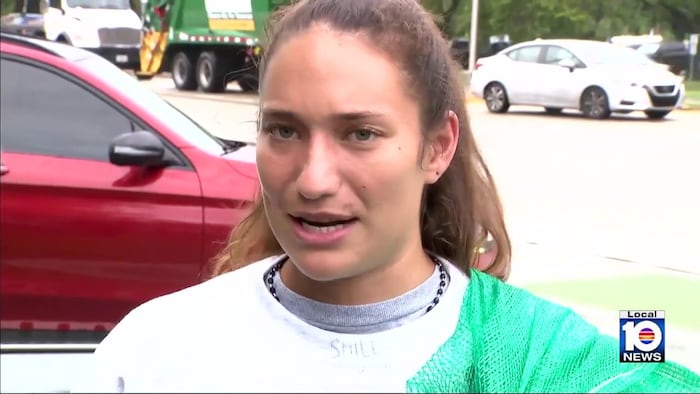
A Venezuelan woman detained at an ICE facility in Pompano Beach has been released after weeks of family protests and growing public pressure captured national attention. Claudia Caglionone, a 28-year-old graduate of St. Thomas University, walked free on August 3, 2026, marking a significant moment for immigrant advocacy in South Florida.
The Venezuelan ICE release in Pompano Beach represents more than one woman’s freedom. It highlights the ongoing challenges facing the Latin community navigating the complex immigration system while building lives in Miami-Dade and Broward counties.
How Community Action Led to Freedom
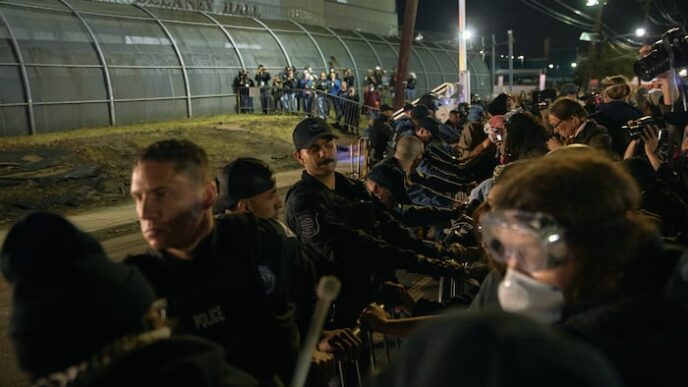
Caglionone’s release came after her family and friends organized persistent demonstrations outside the detention facility. Their efforts gained momentum when Congresswoman Debbie Wasserman Schultz toured the Pompano Beach facility and brought attention to multiple cases of concern.
“I am very concerned that there are 671 people in this facility that shouldn’t be here,” said Wasserman Schultz during her visit to the detention center.
The public outcry proved effective. Family members had spent weeks advocating for Caglionone, whose case drew sympathy from the broader South Florida community. Her cousin, Ruth Lares Caglionone, expressed gratitude for the overwhelming support they received throughout the ordeal.
Understanding the Immigration Timeline
Caglionone’s journey to this moment spans nearly a decade of navigating the American immigration system. Here is a breakdown of her case:
- Arrived in the United States from Venezuela in 2017 on a tourist visa
- Applied for asylum several months after arrival
- Granted Temporary Protected Status (TPS) in 2023
- TPS protection ended in 2025
- Detained at Fort Lauderdale-Hollywood International Airport in early July 2026
- Released from Pompano Beach ICE facility on August 3, 2026
During her time in the United States, Caglionone pursued higher education with determination. She earned a master’s degree in business administration from St. Thomas University, demonstrating her commitment to building a future in South Florida.
What This Means for Miami’s Venezuelan Community
The Venezuelan ICE release case resonates deeply with thousands of Venezuelan families in Miami who face similar immigration uncertainties. South Florida has become home to one of the largest Venezuelan diaspora communities in the nation, with many residents holding various immigration statuses.
For families watching this case unfold, several key points emerged:
- Community advocacy and public pressure can influence outcomes
- Congressional attention brings visibility to individual cases
- Legal status changes require careful monitoring and preparation
- Family support networks prove essential during detention situations
Immigration attorneys in the area have noted that cases like Caglionone’s underscore the importance of staying informed about policy changes affecting Temporary Protected Status and asylum applications.
The Emotional Toll on Families
Beyond the legal complexities, this Venezuelan ICE release story reveals the human cost of immigration enforcement. Caglionone spent weeks in custody, moving between different facilities in South Florida before her final detention in Pompano Beach.
Upon her release, Caglionone expressed her thoughts about those still detained. Speaking emotionally, she shared that her heart remained with all the women still held inside who she believes are being unjustly detained.
Her cousin Ruth spoke about the family’s immediate priorities following the release. The focus now shifts to helping Claudia recover from the experience and readjust to life outside detention.
Resources for Immigrant Families in South Florida
For those in Miami’s Latin community facing similar situations, knowing where to turn for help matters. Several organizations provide support:
- American Immigration Lawyers Association – South Florida Chapter
- Local nonprofit legal aid organizations
- Community advocacy groups focused on immigrant rights
- Congressional representatives’ offices for case inquiries
Staying connected with these resources before emergencies arise can make a significant difference when families face unexpected detention situations.
Looking Forward
As Caglionone begins rebuilding her life in South Florida, her case serves as both a cautionary tale and a source of hope. The Venezuelan ICE release demonstrates that while the immigration system presents formidable challenges, determined advocacy combined with community support can lead to positive outcomes.
For the 671 individuals Congresswoman Wasserman Schultz mentioned during her facility tour, the path forward remains uncertain. But for one Venezuelan woman with a master’s degree and dreams of contributing to her community, freedom arrived on a summer day in Pompano Beach.
Miami’s Latin community continues watching these developments closely, understanding that immigration policy affects neighbors, coworkers, and friends throughout the region.