
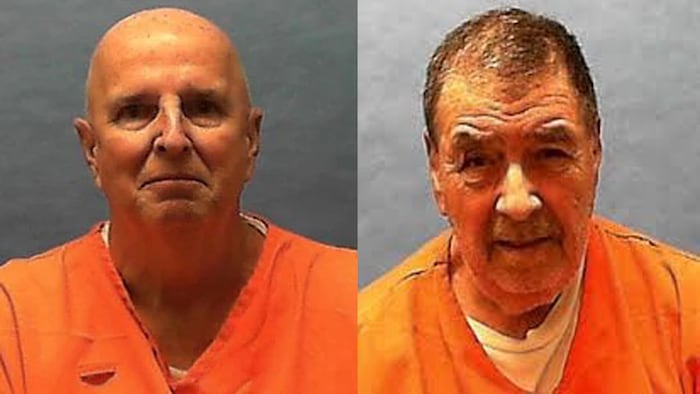
Florida is poised to make history on July 28, 2026, as the state prepares to carry out two executions in a single day, a practice not seen in the Sunshine State for over six decades. This unprecedented move has captured national attention and sparked important conversations about criminal justice in our community.
Understanding the Historic Double Execution in Florida
The Florida Department of Corrections has scheduled two lethal injections at Florida State Prison near Starke on July 28, 2026. James Aren Duckett, 68, faces execution at noon, followed by 80-year-old Dominick Anthony Occhicone six hours later. If carried out, Occhicone would become the second-oldest inmate executed in modern United States history and the oldest ever executed in Florida.
This double execution marks the first time since May 12, 1964, that Florida has scheduled two executions on the same date. Nationally, Arkansas was the last state to execute two inmates in a single day back in April 2017, making Florida’s decision particularly significant in the ongoing national dialogue about capital punishment.
The Cases Behind the Headlines
Both cases stem from crimes committed in the 1980s that devastated families and communities across Florida. Duckett was convicted of raping and drowning an 11-year-old girl in 1987 while serving as a police officer in a small Central Florida city. Occhicone received his death sentence for the 1986 murders of his ex-girlfriend’s parents.
- James Aren Duckett: Convicted in 1987, originally scheduled for execution on March 31, 2026, before receiving a stay for DNA testing
- Dominick Anthony Occhicone: At 80 years old, would become Florida’s oldest executed prisoner in modern history
- Both men have appeals pending before the United States Supreme Court
- The Florida Supreme Court denied appeals for both inmates in mid-July 2026
Governor DeSantis and the Rise in Florida Executions
Republican Governor Ron DeSantis, who will leave office in January 2027, has overseen a dramatic increase in executions during his final years in office. In 2025, Florida carried out 19 executions, more than any other year since the death penalty was reinstated nationally in 1976. The previous record was eight executions in 2014.
If the July 28 executions proceed as scheduled, DeSantis will have overseen 31 executions in his final two years alone, compared to just nine during his first six years in office. With another execution already scheduled for August 2026, this year could surpass last year’s record-breaking numbers.
“July 28 represents an unprecedented escalation of Florida’s use of the death penalty,” stated Grace Hanna, executive director of Floridians for Alternatives to the Death Penalty, calling on the governor to halt both executions.
Legal Challenges and Ongoing Appeals
Both inmates have pursued multiple legal avenues to halt their executions. Duckett’s attorneys argue that their client is innocent and that the state’s handling of DNA evidence resulted in inconclusive test results that neither exonerated him nor definitively connected him to the crime. The Florida Supreme Court initially granted a stay in late March 2026 to allow for modern DNA testing of evidence that could not be analyzed with the technology available during the original trial.
Occhicone’s legal team has raised concerns about his advanced age and multiple health conditions, including kidney and prostate problems. They argue that these ailments could make the execution process particularly painful, potentially constituting cruel and unusual punishment under the Constitution.
What This Means for Miami and Florida Communities
For Miami residents and the broader Florida community, these executions raise important questions about justice, rehabilitation, and the role of capital punishment in our society. The Latin community, which values family bonds and second chances, often finds itself engaged in thoughtful discussions about these complex issues that affect our neighbors and fellow Floridians.
As Florida moves forward with this historic double execution, community members across Miami are encouraged to stay informed and engaged with the ongoing dialogue about criminal justice reform. Whether you support or oppose capital punishment, understanding these pivotal moments in our state’s history helps us all participate more meaningfully in shaping Florida’s future policies and values.