If you have ever thrown away a container of yogurt or a carton of milk simply because the printed date had passed, you are part of a massive group of consumers doing the same thing every single day. However, food safety experts are now urging families across Miami and beyond to reconsider this habit, as those confusing labels rarely indicate whether food is actually unsafe to consume.
Understanding What Food Date Labels Really Mean
The truth about food date labels might surprise you. According to food scientists and safety experts, the dates stamped on your grocery items are primarily about quality and freshness rather than safety. A 2019 study by Johns Hopkins Bloomberg School of Public Health revealed that more than 80% of American consumers throw away food approaching the package date at least occasionally.
“The date labels guarantee quality up until that point. They are not about the safety of a product,” explained Donald Schaffner, a food safety expert at Rutgers University.
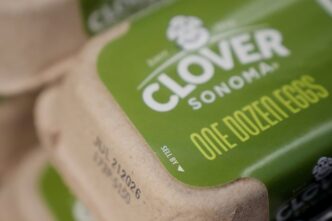
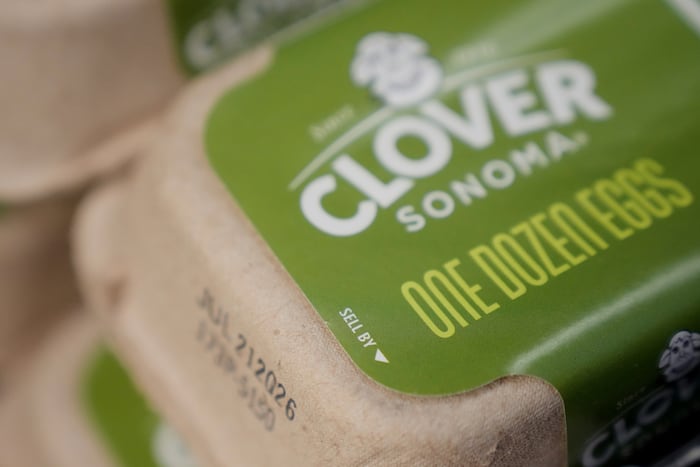
With no federal regulations requiring standardized food date labels except for baby formula, consumers face a confusing landscape of terminology. Research from the University of Maryland discovered that more than 50 different date labels are currently used across the United States, including phrases like “Best Before,” “Best By,” “Enjoy By,” and “Sell By.” For Miami families working hard to stretch their grocery budgets, understanding these food date labels can translate into significant savings.
Which Foods Last Longer Than You Think
Food packaging plays a crucial role in determining how long products remain safe for consumption. Many items in your pantry have impressive shelf lives that extend well beyond their printed dates. Understanding which foods last longer can help you reduce waste and make smarter decisions in your kitchen.
- Unopened canned goods like beans, tomatoes, fruits, and vegetables can last for years after the stamped date
- Shelf-stable beverages in boxes, such as soy milk and almond milk, remain safe long past their labels
- Dry goods including cookies, crackers, and cereal have extended shelf lives due to low moisture content
- Heat-treated and sealed products designed for storage without refrigeration maintain quality for extended periods
Food scientist Rachel Zemser, who helps companies develop and launch new food products, offers practical advice for Miami households. She notes that dry products like crackers and cookies might become stale over time, but they will not make you sick if consumed after their printed dates. Using your senses to smell and taste these products is often the best way to determine their quality.
When You Should Exercise Caution
While many food date labels can be safely ignored, certain products require more careful attention. Meat, poultry, and fish demand extra precautions because they can spoil even when stored properly in your refrigerator. For these items, wrapping them tightly in plastic and freezing before the “best by” date can significantly extend their usability.
“Most bacteria needs moisture and air to grow and thrive, so very dry products will last, but I would not risk it with meat,” Zemser emphasized. For Miami families who love preparing fresh seafood and grilled meats, this guidance is particularly valuable. The FoodKeeper app, developed by the Department of Agriculture in partnership with Cornell University and the Food Marketing Institute, provides helpful guidance on how long various foods stay fresh and safe.
New Regulations Bringing Clarity to Consumers
California has become the first state to standardize food date labels by implementing a law that went into effect on July 1. This legislation requires manufacturers to use only two standardized labels: a “Best If Used By” label indicating peak quality and a “Use By” label for product safety concerns. The confusing “Sell By” dates, which are primarily meant for store inventory management rather than consumer guidance, have been banned.
New York lawmakers recently passed similar legislation awaiting the governor’s signature, suggesting this trend toward clearer food date labels may spread across the nation. For Miami’s diverse community, where family meals are central to daily life and cultural traditions, these changes promise to reduce confusion and help stretch grocery budgets further. By understanding that most labels relate to quality rather than safety, you can confidently keep perfectly good food out of the trash while still protecting your family’s health.