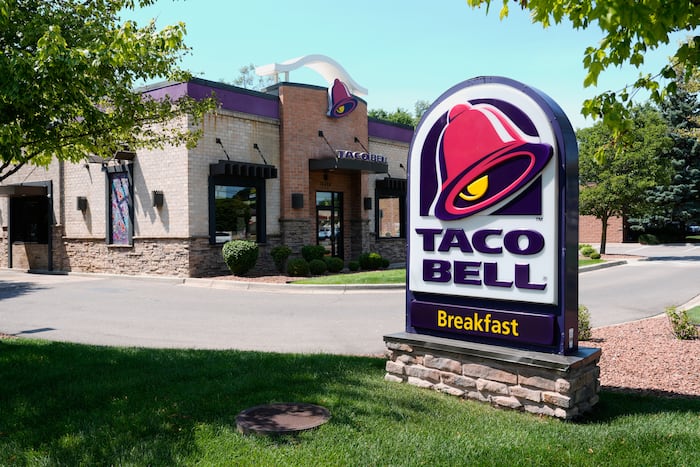
A growing health concern is making headlines across the nation as federal officials expand their investigation into what has become the largest cyclospora outbreak in United States history. On July 24, 2026, the Centers for Disease Control and Prevention announced that four additional states have been added to the investigation, bringing the total to nine states affected by this diarrhea-causing parasite linked to shredded lettuce served at Taco Bell restaurants.
Understanding the Scope of the Cyclospora Outbreak
The cyclospora outbreak now includes Illinois, Kansas, Oklahoma, and Pennsylvania, joining the five states previously under investigation: Indiana, Kentucky, Michigan, Ohio, and West Virginia. While Florida has not been officially added to the list, Miami residents who frequently travel or have family connections across these regions should remain informed and vigilant about food safety practices.
The numbers tell a concerning story. According to the CDC, nearly 1,947 cases have been directly linked to contaminated lettuce, with at least 98 individuals requiring hospitalization. Thankfully, no deaths have been reported. However, health officials emphasize that the actual number of affected individuals is likely much higher, as many cases go unreported.
“Since May 1, CDC has received reports of more than 4,100 laboratory-confirmed cases and is investigating more than 7,400 other likely cases across 41 states,” federal health officials reported, noting that other brands, restaurants, retailers, or distribution channels could be tied to the outbreak as the investigation continues.
What Is Cyclospora and Why Should You Care?
For Miami’s health-conscious community, understanding this microscopic parasite is essential. Cyclospora is a parasite that infects food when it comes into contact with human feces, most commonly occurring when produce is irrigated or washed with contaminated water. The resulting illness affects the intestinal system and can cause significant discomfort for those infected.
Symptoms of a cyclospora infection include:
- Frequent and sometimes explosive bowel movements
- Watery diarrhea lasting for extended periods
- Loss of appetite and weight loss
- Stomach cramps and bloating
- Nausea and fatigue
- Low-grade fever in some cases
The illness typically develops about one week after consuming contaminated food and can last anywhere from a few days to over a month if left untreated. Antibiotics are usually prescribed for confirmed cases, making early detection and medical consultation crucial for recovery.
The Investigation Points to Taylor Farms Lettuce
The Food and Drug Administration has focused its investigation on lettuce from Taylor Farms as the primary source of this multistate cyclospora outbreak. The company announced a recall of iceberg lettuce grown in central Mexico following the FDA’s findings. This development has significant implications for supply chain transparency and food safety standards.
Interestingly, Mexican health officials conducted their own investigation, visiting the Taylor Farms plant in the state of Guanajuato between July 18 and 20. They collected 10 samples of iceberg lettuce and four water samples for analysis. Their findings, announced on July 23, indicated that the parasite was not detected in the lettuce or water at the facility. This discrepancy between the FDA’s focus and Mexico’s findings adds complexity to the ongoing investigation.
Protecting Your Family: Food Safety Tips for Miami Households
While this cyclospora outbreak has primarily affected states outside of Florida, Miami families should adopt proactive food safety measures to protect themselves. The Latin community’s rich culinary traditions often feature fresh produce, making these precautions especially relevant for our readers.
Here are essential steps to minimize your risk:
- Stay informed about current food recalls through the FDA website
- Wash all produce thoroughly under running water before consumption
- Purchase lettuce and leafy greens from trusted local sources when possible
- Consider temporarily avoiding pre-shredded lettuce products during active outbreaks
- Store produce properly and check expiration dates regularly
- When dining out, don’t hesitate to ask about ingredient sourcing
Impact on Dining and What Miami Foodies Should Know
For Miami’s vibrant dining scene, this outbreak serves as a reminder of the importance of food safety standards across all establishments. While Taco Bell restaurants have been directly linked to the contaminated lettuce, health officials warn that additional restaurants, retailers, and distribution channels could be identified as the investigation progresses.
Miami’s Latin community has always valued fresh ingredients and quality dining experiences. This moment presents an opportunity to support local restaurants and markets that prioritize transparent sourcing and rigorous food safety protocols. Many local establishments source their produce from Florida farms, potentially reducing exposure to products from affected supply chains.
The cyclospora outbreak investigation is ongoing, and health officials continue to interview affected individuals about their food consumption in the two weeks before becoming ill. As more information becomes available, Miami residents should stay connected to reliable news sources and follow guidance from the CDC and FDA. Your health and your family’s wellbeing remain the top priority as we navigate this challenging food safety situation together.