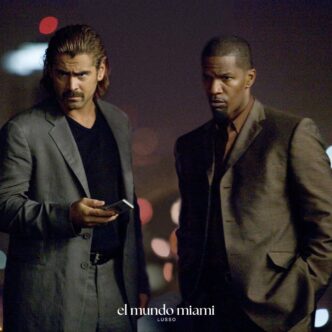
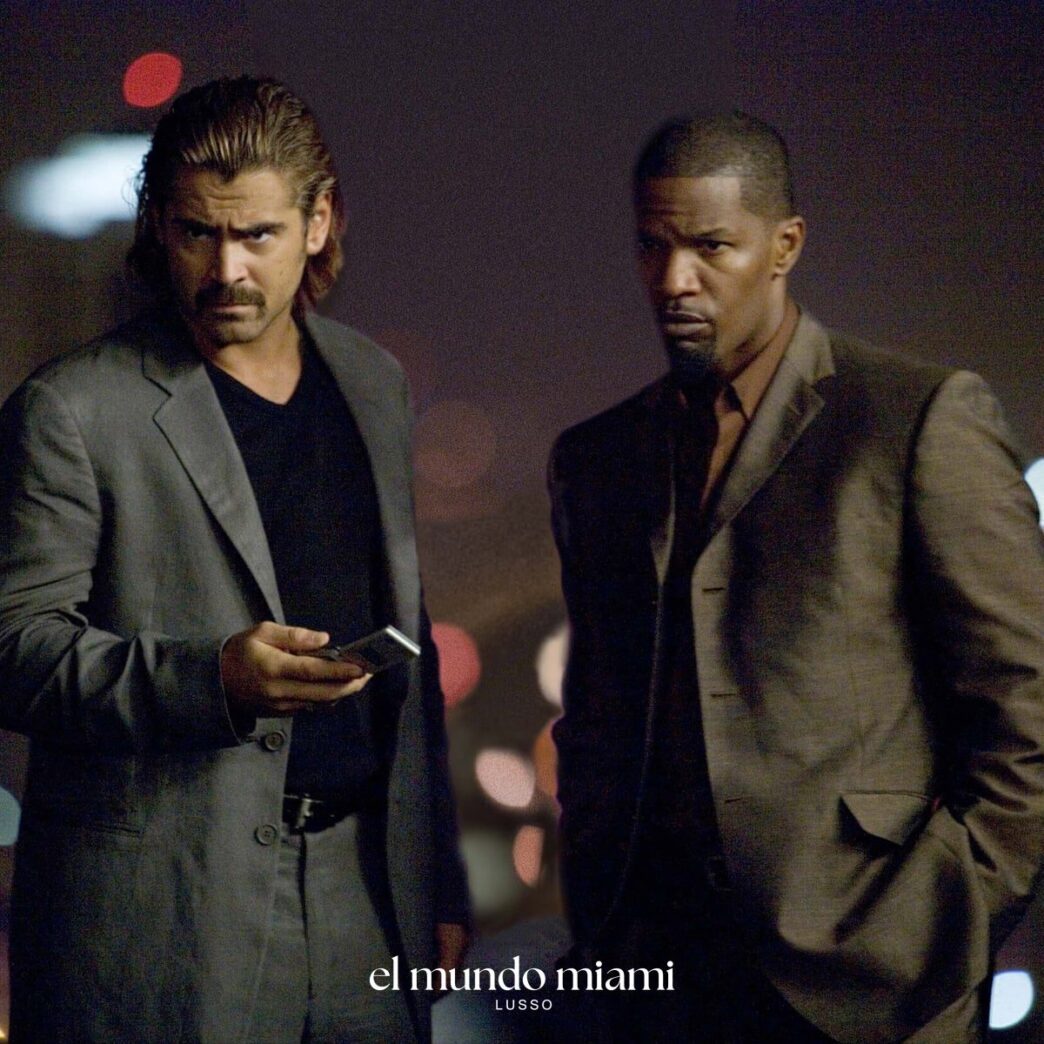
The Miami Vice film directed by Michael Mann has undergone a remarkable transformation in public perception since its 2006 release. What critics and audiences initially received with lukewarm enthusiasm has now emerged as one of the most celebrated action thrillers of the 21st century. For Miami residents and visitors alike, this cinematic love letter to the Magic City represents a pivotal moment in how Hollywood portrayed our beloved metropolis.
Colin Farrell and Jamie Foxx stepped into the legendary roles of Sonny Crockett and Ricardo Tubbs, delivering performances that critics now call “genius” and a “demented masterwork.” The film’s journey from misunderstood blockbuster to cult classic offers fascinating insights into cinema, Miami culture, and the evolution of audience tastes over two decades.
Michael Mann’s Revolutionary Vision for Miami
Michael Mann served as both executive producer and showrunner on the original Miami Vice TV series during the 1980s. When he returned to helm the 2006 film adaptation, he made bold creative decisions that initially puzzled viewers. The director stripped away the pastel colors, neon lights, and signature shoulder pads that defined the television phenomenon.
In their place, Mann introduced shadows, grit, and cutting-edge surveillance technology. The film featured sniper rifles with devastating realistic consequences and an atmosphere far removed from the Reagan-era optimism of the original series. This wasn’t simply a nostalgic remake—it was a complete reimagining for a post-9/11 world.
The director’s commitment to authenticity extended to his technical choices. Mann shot the entire movie using nascent HD cameras, creating a distinctly digital aesthetic that felt like cinema with the glamour deliberately scrubbed away. This pioneering approach would influence countless filmmakers in the years to come.
How the Miami Vice Film Captures Our City
The Miami Vice film showcases Miami in ways that resonate deeply with anyone who calls this city home. Lightning-lashed nocturnal cityscapes appear with stunning clarity, as if viewers were seeing them with their own eyes. The high-definition detail captures vehicles, people, and places with unprecedented precision.
Land, sea, and air action sequences unfold with seemingly infinite depth of field. Viewers can practically taste the mojitos and sense the humid tropical atmosphere that makes Miami unlike anywhere else on Earth. The film’s international scope takes audiences from Vice City to Haiti, Paraguay, and Cuba.
For Miami’s Latin community, the film’s global perspective and sophisticated treatment of international drug trafficking storylines offered a more nuanced portrayal than typical Hollywood crime dramas. The movie acknowledged the complex realities of Latin American connections without resorting to stereotypes.
Read more: Miami Entertainment Guide 2026
Colin Farrell and Jamie Foxx: A Different Kind of Partnership
Colin Farrell brought brooding intensity to the role of Sonny Crockett, while Jamie Foxx delivered a measured, powerful performance as Ricardo Tubbs. Unlike the original series, the 2006 Miami Vice film deliberately avoided traditional buddy cop banter. The movie launched in medias res and maintained relentless momentum throughout.
This creative choice initially frustrated audiences expecting lighthearted exchanges between the two leads. However, the serious tone perfectly captured the edgier, more uncompromising global reality of the mid-2000s. The partnership between Crockett and Tubbs communicated through action rather than words.
Gong Li joined the cast as Isabella, a cartel middle manager whose complicated relationship with Farrell’s Crockett added emotional depth to the proceedings. Her performance brought international star power and added layers of moral ambiguity to the narrative.
The Cultural Legacy of Miami Vice
The original Miami Vice TV series proved so influential during the 1980s that it became era-defining. The show’s fashion choices, music selections, and visual style shaped an entire decade of popular culture. Michael Mann understood this legacy intimately, having helped create it as the show’s executive producer.
The 2006 film featured flip phones and Linkin Park on its soundtrack—choices that now mark it as unmistakably of its time. Just as the TV series encapsulated the Reagan 80s, the movie captured the anxious, surveillance-heavy atmosphere of post-9/11 America. Both versions serve as cultural time capsules.
What appeared “shockingly new” in 2006 now looks “miraculous,” according to modern critics. The film’s reputation has grown steadily, with passionate fans now rivaling those of Mann’s other celebrated works like “Heat” and “Collateral.”
Why the Miami Vice Film Matters Today
For Miami residents, the Miami Vice film offers more than entertainment—it provides a glimpse into how our city appeared at a specific moment in history. The fuzzy night-time shots and “confrontationally detailed human faces” created an aesthetic that influenced how filmmakers approach digital cinematography to this day.
The movie’s intoxicating atmosphere makes it essential viewing for anyone interested in Miami’s cultural identity. Whether you’re a longtime resident or a newcomer exploring the city, understanding how Hollywood has portrayed Miami enriches your appreciation of this unique urban landscape.
Twenty years after its release, the Miami Vice film stands as testament to Michael Mann’s visionary approach to filmmaking. Critics have declared it “genius,” and its fan base continues growing among new generations discovering its sophisticated pleasures.
What makes the Miami Vice film different from the TV series?
The 2006 Miami Vice film replaced the original show’s pastels, neon, and buddy cop banter with a grittier aesthetic, HD digital cinematography, and a more serious tone reflecting the post-9/11 global landscape.
Who starred in the Miami Vice 2006 film?
Colin Farrell played Sonny Crockett and Jamie Foxx portrayed Ricardo Tubbs, with Gong Li as cartel middle manager Isabella.
Why was Miami Vice initially poorly received?
Audiences in 2006 expected the nostalgic elements from the 80s TV series. Director Michael Mann’s deliberately different approach, including the digital camera work and serious tone, surprised viewers expecting lighter entertainment.
Where was Miami Vice 2006 filmed?
The Miami Vice film was shot in Miami and various international locations including scenes set in Haiti, Paraguay, and Cuba, reflecting the movie’s global scope.
📘 Follow El Mundo Miami on our social networks: Facebook | Twitter