
The staging of Fintech Americas 2026 reaffirmed the role of Miami as one of the most strategic destinations for meetings tourism in the Americas. The event highlighted the main trends shaping the financial secto, such as artificial intelligence, digital payments, and financial inclusion.
With the participation of business leaders, entrepreneurs, investors, and regulators from more than 40 countries, the event demonstrated the city’s capacity to serve as a meeting point between Latin America and the United States. This geographic advantage, combined with air connectivity and hospitality infrastructure, has positioned Miami as a key hub for international conferences.
READ: Mexico at FITUR 2026 Reinforces Its Global Tourism Leadership
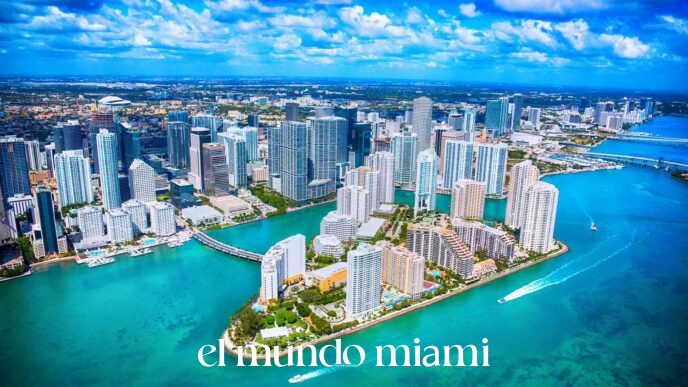
Miami, epicenter of meetings tourism with Fintech Americas 2026
One of the main drivers behind Miami’s rise in business tourism is its role as a natural bridge between North and South America. Events like Fintech Americas bring together stakeholders from diverse markets, ranging from Latin American startups to global corporations.
Beyond logistics, Miami enables cultural and commercial exchange like the visitors could watch at the Fintech Americas 2026. In sectors such as finance, where innovation often depends on collaboration, this convergence becomes especially valuable.
Over the years, Miami has invested heavily in building infrastructure capable of hosting large-scale events. Convention centers, high-end hotels, and specialized services ensure that gatherings like Fintech Americas meet international standards.
READ: Miami’s real estate market shows stability and growth in 2026
A magnet for innovation
Another defining element is Miami’s growing association with technological innovation. The city has actively positioned itself as a digital hub, attracting companies, talent, and venture capital.
In this context, events like Fintech Americas find not just a venue, but an ecosystem aligned with their goals. Conversations around artificial intelligence, frictionless payments, and embedded insurance take place within a city striving to become a benchmark for technology and business.
Meetings tourism, with events like Americas Fintech 2026, represents a significant source of revenue for Miami. The arrival of thousands of attendees drives spending across hotels, restaurants, transportation, and services, while also boosting the city’s international visibility.
However, the impact extends beyond the short term. Hosting specialized events positions Miami as a center for thought leadership and decision-making in key industries, which in turn attracts further investment and development.
The highlights of the event
Fintech Americas 2026 reflects a broader trend: the rise of cities that combine connectivity, infrastructure, and innovation ecosystems as leaders in meetings tourism.
One of the most consistent messages was the structural role of artificial intelligence in the future of finance. From banking to insurance, the panels agreed that AI is no longer a complementary tool, but rather the core of new operating models.
The discussions revolved around smarter financial systems, capable of making real-time decisions, anticipating risks, and personalizing services at scale. In the insurance sector, for example, the migration to cloud-native platforms powered by AI was highlighted, as these platforms replace legacy systems and enable greater efficiency and scalability.
Within this landscape, Miami stands out not only for its strategic location but also for its ability to adapt to the evolving needs of transforming industries. As the financial sector redefines its future, the city continues to establish itself as the stage where those conversations take shape.