For five decades, a foundational principle has protected Americans from unnecessary radiation exposure. Now, federal regulators are proposing significant changes to nuclear safety practices that could affect communities across the nation, including Miami’s vibrant Latin neighborhoods near energy facilities and medical institutions.
Understanding the Proposed Nuclear Safety Changes
The Nuclear Regulatory Commission announced on July 26, 2026, its intention to eliminate the ALARA principle, a radiation safety standard that has guided protection protocols since the 1970s. ALARA, which stands for “as low as reasonably achievable,” has required facilities handling radioactive materials to minimize radiation exposure whenever practically possible.
Under the current framework, nuclear plants, hospitals, and research institutions must work to keep radiation levels far below maximum limits. The proposed changes would replace this philosophy with what regulators call a “graded approach,” implementing specific actions based on potential radiation doses rather than continuous minimization efforts.
“We’re just removing the ambiguity. But the standard for exposure to workers and the public, those are not changing. We’re just putting in place greater clarification.” — NRC Chairman Ho Nieh
Why This Matters for Miami Families
Miami’s diverse community includes thousands of workers in healthcare facilities that use radioactive materials for cancer treatment and diagnostic imaging. Understanding these nuclear safety developments helps families make informed decisions about their health and environment. The proposed regulations could influence how local hospitals and research centers approach radiation protection.
Key points Miami residents should understand include:
- Maximum radiation exposure limits remain unchanged at current levels
- The Energy Department has already stopped using ALARA guidelines
- New regulations could be finalized within the coming months
- The changes aim to accelerate development of smaller nuclear reactors
- Healthcare and research facilities will need to adapt their practices
The Push for Expanded Nuclear Energy
These regulatory changes come amid ambitious federal plans to dramatically increase domestic nuclear energy production. Growing electricity demands from data centers and artificial intelligence operations have created pressure to expand power generation capacity. Supporters argue that clearer nuclear safety requirements will help streamline reactor development without compromising protection standards.
Industry representatives maintain that responsible practices will continue regardless of regulatory language changes. Doug True, chief nuclear officer at the Nuclear Energy Institute, emphasized that the industry remains committed to keeping radiation doses as low as possible for both workers and surrounding communities.
Expert Concerns About the Transition
Not everyone agrees the changes represent a neutral shift. Some nuclear safety experts have raised concerns about potential unintended consequences. Edwin Lyman, director of nuclear power safety at the Union of Concerned Scientists, warns that certain aspects of the proposal could allow higher permissible radiation doses in specific situations, even while staying below maximum limits.
The debate centers on whether explicit requirements produce better outcomes than philosophical principles. Supporters of the change argue that ALARA created regulatory uncertainty, making it difficult for companies to plan new projects. Critics counter that removing minimization requirements could gradually lead to higher exposure levels over time.
Staying Informed and Protected
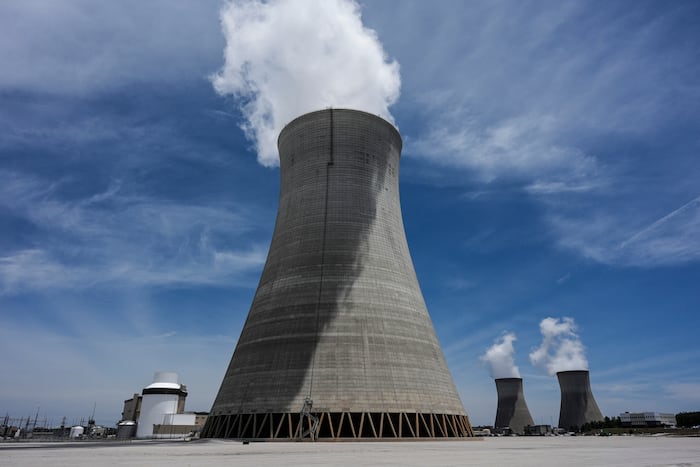
For Miami’s Latin community, staying informed about nuclear safety regulations means understanding both local and national developments. While Florida does not currently have operating commercial nuclear plants near Miami-Dade County, Turkey Point Nuclear Generating Station operates about 25 miles south of downtown, serving the broader South Florida region.
Residents interested in nuclear safety can take several practical steps:
- Monitor announcements from the Nuclear Regulatory Commission
- Attend public comment periods on proposed regulations
- Stay connected with local emergency preparedness information
- Understand radiation exposure limits and their meaning
- Engage with community organizations focused on environmental health
As federal nuclear safety policies evolve, Miami families can remain empowered by understanding the facts and participating in public discourse about regulations that affect their communities. Whether these changes ultimately prove beneficial or problematic, informed citizens make stronger advocates for their neighborhoods and loved ones.