A heated battle is unfolding in a Miami neighborhood as residents and environmental advocates push back against a development project that threatens to eliminate dozens of mature trees near the beloved Legion Memorial Park. The controversy has sparked an unprecedented number of appeals and ignited passionate debate about urban development versus environmental preservation in one of South Florida’s most vibrant communities.
Development Plans Threaten Century-Old Oak Trees
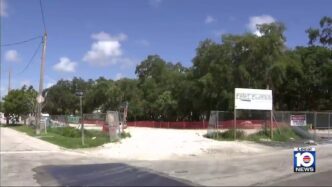
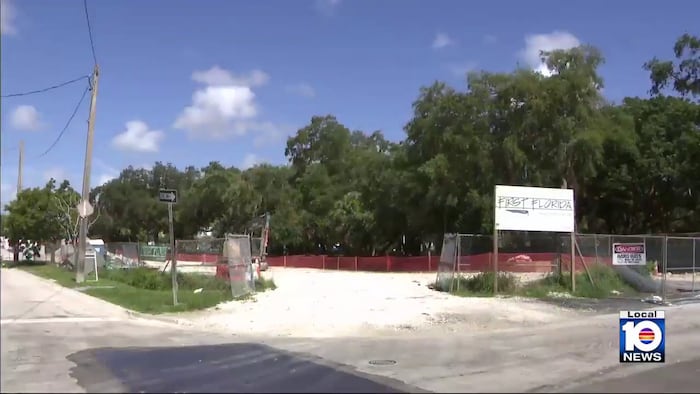
On July 21, 2026, construction workers were already on site preparing for the Adella 3 project, a new development by Acre Developments. However, before the buildings can rise, the trees must fall. The project calls for the removal of 46 trees in total, including five large oak trees that have stood for over a century, providing shade and natural beauty to the surrounding neighborhood.
The proposed tree removal has united residents who believe the environmental cost is simply too high. Many have taken formal action, filing appeals with the city to halt or modify the development plans. Among them is Peter Ehrlich, a local resident who has been vocal about the importance of preserving every tree in the area.
“Every tree is crucial. The developer’s architect should work diligently to save those trees, not to just kill them, because some of the oak trees are 120 or 150 years old.”
Environmental Groups Join the Fight
The opposition extends beyond individual residents. Attorney David Winker represents an environmental organization that has also filed an appeal against the tree removal permits. According to Winker, the developer has failed to meet the city’s code requirements, which mandate demonstrating that no alternative exists and that construction cannot proceed while preserving trees located on public park land.
The legal challenges have resulted in what Winker describes as an unprecedented situation. Eight appeals were scheduled to be heard, reflecting the depth of community opposition to the project. While some officials have expressed frustration with the volume of appeals, Winker argues the real question should focus on why the city approved these permits in the first place.
Why Trees Matter to Miami Residents
The issue has resonated deeply with dozens of neighborhood residents who understand the vital role that mature trees play in urban environments. Community members have outlined several critical benefits that would be lost if the trees are removed:
- Reduction of urban heat island effect and local temperatures
- Provision of essential shade for pedestrians and outdoor spaces
- Improvement of air quality throughout the neighborhood
- Protection of wildlife habitat and biodiversity
- Enhancement of property values and community aesthetics
- Historical and cultural significance of century-old specimens
Ehrlich expressed frustration with what he perceives as a system that favors developers over environmental concerns. He criticized developers for prioritizing speed over sustainability and suggested that city officials who receive campaign contributions from development interests are too quick to approve tree removal permits.
Developer Offers Mitigation Plan
In an attempt to address environmental concerns, the developer has proposed a mitigation plan that includes planting 103 new trees in and around the property once construction is complete. This would mean more than doubling the number of trees ultimately present on the site. However, critics argue that young replacement trees cannot provide the same environmental benefits as mature specimens that have been growing for over a century.
The debate highlights a broader tension facing Miami and other rapidly growing urban areas: how to balance the demand for new housing and development with the need to preserve green spaces and mature tree canopies that contribute to quality of life and environmental health.
Community Awaits Decision
As of the publication date, the attorney representing Acre Developments had not responded to media requests for comment. The outcome of the multiple appeals will likely set an important precedent for future development projects in Miami neighborhoods where mature trees and green spaces are at stake.
For residents like Ehrlich and advocates like Winker, the fight represents more than just saving trees. It symbolizes the ongoing struggle to ensure that Miami’s growth does not come at the expense of the natural features that make neighborhoods livable and sustainable for generations to come.