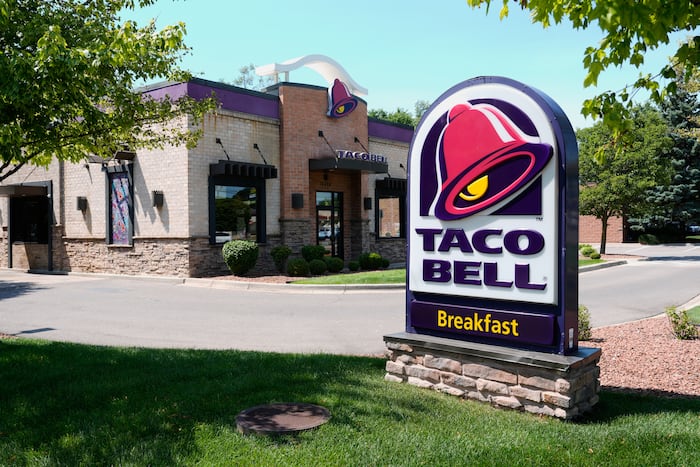
Federal health authorities have confirmed that shredded iceberg lettuce served at Taco Bell restaurants across five U.S. states is responsible for a widespread outbreak of cyclospora, a parasite known for causing severe diarrheal illness. The Centers for Disease Control and Prevention issued the warning on July 16, 2026, urging consumers to avoid consuming the contaminated product.
The affected Taco Bell locations are situated in Indiana, Kentucky, Michigan, Ohio, and West Virginia. Health officials are racing to contain what has become a record-breaking outbreak, with cyclospora infections now reported in more than 30 states nationwide. Current data indicates that the number of cases has already surpassed the previous U.S. record of approximately 4,700 infections set in 2019.
Investigation Points to California-Based Supplier
The Food and Drug Administration conducted a traceback investigation that identified a single supplier as the source of the contaminated lettuce. While federal warnings did not officially name the company, a federal official briefed on the investigation confirmed to the Associated Press that Taylor Farms of Salinas, California, was the supplier in question.
Taylor Farms has been associated with previous foodborne illness outbreaks. The company was linked to a 2013 cyclosporiasis outbreak connected to salad mix and a 2024 E. coli outbreak traced to onions served at McDonald’s restaurants. The company had not responded to requests for comment as of the announcement.
“FDA is working with the supplier of iceberg lettuce to determine if potentially contaminated shredded iceberg lettuce remains on the market. Taco Bell has committed to stop using any lettuce from the supplier identified by FDA’s traceback investigation.”
Federal health officials emphasized that additional brands, restaurants, retailers, or distribution channels could potentially be identified as the investigation progresses.
What You Need to Know About Cyclospora
Cyclospora is a microscopic, spherical parasite that primarily infects the intestinal tract. The illness it causes, known as cyclosporiasis, is characterized by:
- Watery diarrhea with frequent bowel movements
- Sometimes explosive bowel movements
- Symptoms that can persist for weeks without treatment
- Illness that typically responds to antibiotic treatment
The parasite thrives in warm conditions and spreads through fecal contamination. Historical outbreaks have been traced to fruits and vegetables exposed to contaminated irrigation water. While cyclosporiasis is not usually life-threatening, it can cause significant discomfort and complications, particularly for individuals with weakened immune systems.
Rising Trend in Cyclospora Cases
Outbreaks of cyclospora tend to occur most frequently during late spring and summer months when the heat-loving parasite finds optimal conditions for survival. Although cyclosporiasis is less common than foodborne illnesses caused by salmonella or E. coli, the number of reported cases has been steadily increasing over the past decade.
Health experts attribute this rise to several factors:
- Improved detection methods in laboratories
- Greater awareness among healthcare providers
- Climate change creating more favorable conditions for the parasite
- Historical underreporting due to inadequate testing protocols
For years, many common food poisoning tests were not designed to detect cyclospora, leading to countless cases going unidentified. The notable spikes in 2018 and 2019 marked a turning point in recognition and reporting of this particular foodborne illness.
Taco Bell’s Response to the Outbreak
Prior to the federal government’s official confirmation, Taco Bell took preemptive action on July 15, 2026, issuing a statement acknowledging the situation. The fast-food chain announced that it had voluntarily and temporarily removed certain ingredients at select restaurant locations as a precautionary measure.
The company pledged to continue monitoring the situation closely and following guidance from public health authorities. With the CDC’s confirmation now public, consumers in the affected states are advised to remain vigilant and seek medical attention if they experience symptoms consistent with cyclospora infection after consuming products from Taco Bell.
Health officials continue to investigate whether additional sources or distribution channels may have been affected by the contaminated lettuce supply. Consumers across all states are encouraged to stay informed through official CDC and FDA communications as this developing situation unfolds.