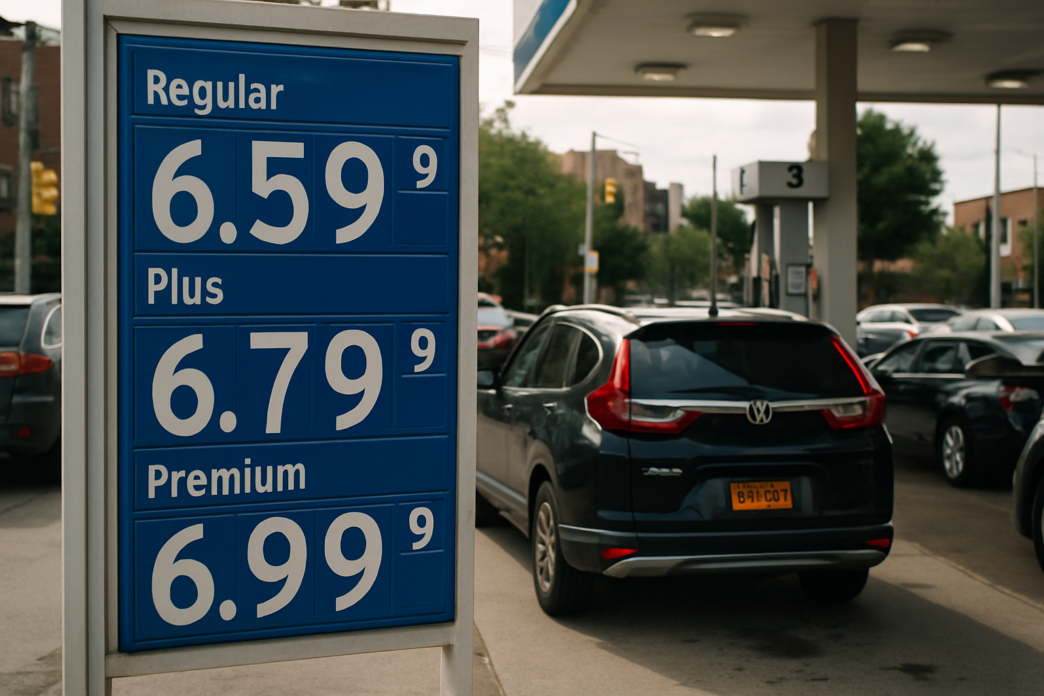
After nearly four months of conflict with Iran, American drivers are feeling the financial squeeze at gas stations across the country. According to a Brown University estimate, consumers have collectively spent an additional $35 billion on gasoline since hostilities began, with individual monthly expenses increasing anywhere from $20 to over $300 for those who fill up twice a month.
Since February 28, when the United States and Israel first struck Iran, average national gas prices have surged nearly 30%. In early May, prices reached some of the highest levels seen in the past decade, averaging $4.63 per gallon according to U.S. Energy Information Administration data. The last time average gas prices exceeded $4 was in 2022, following Russia’s invasion of Ukraine.
The impact varies significantly by state. Wyoming residents are experiencing the greatest strain, with prices jumping more than 40% since February to an average of $3.87 per gallon as of early July. Montana and Wisconsin have seen similar increases of at least 40%, while Indiana has proven most resilient with prices rising less than 10% during the same period.
Americans are adapting their behavior in response to higher costs. Gas station visits nationwide dropped 5.7% during the week of May 18 compared to the same period last year, according to location analytics firm Placer.ai. Federal Reserve data shows consumers expect to spend more on transportation and utilities over the next year while cutting back on vacations, homes, and electronics. Some states have paused gas taxes to provide relief, and the Trump administration has discussed suspending the federal gas tax, though no action has been taken yet.